12 Apostles Australia: How to Visit & Best Tours

The 12 Apostles are one of Australia’s most popular tourist attractions, with millions of visitors every year. Located along the Great Ocean Road in Victoria, these limestone stacks rise out of the Southern Ocean, creating an awe-inspiring coastal sight. But what’s so special about the 12 Apostles? Let’s dig deeper into their geological, cultural and tourist significance.
Contents
Geological Significance
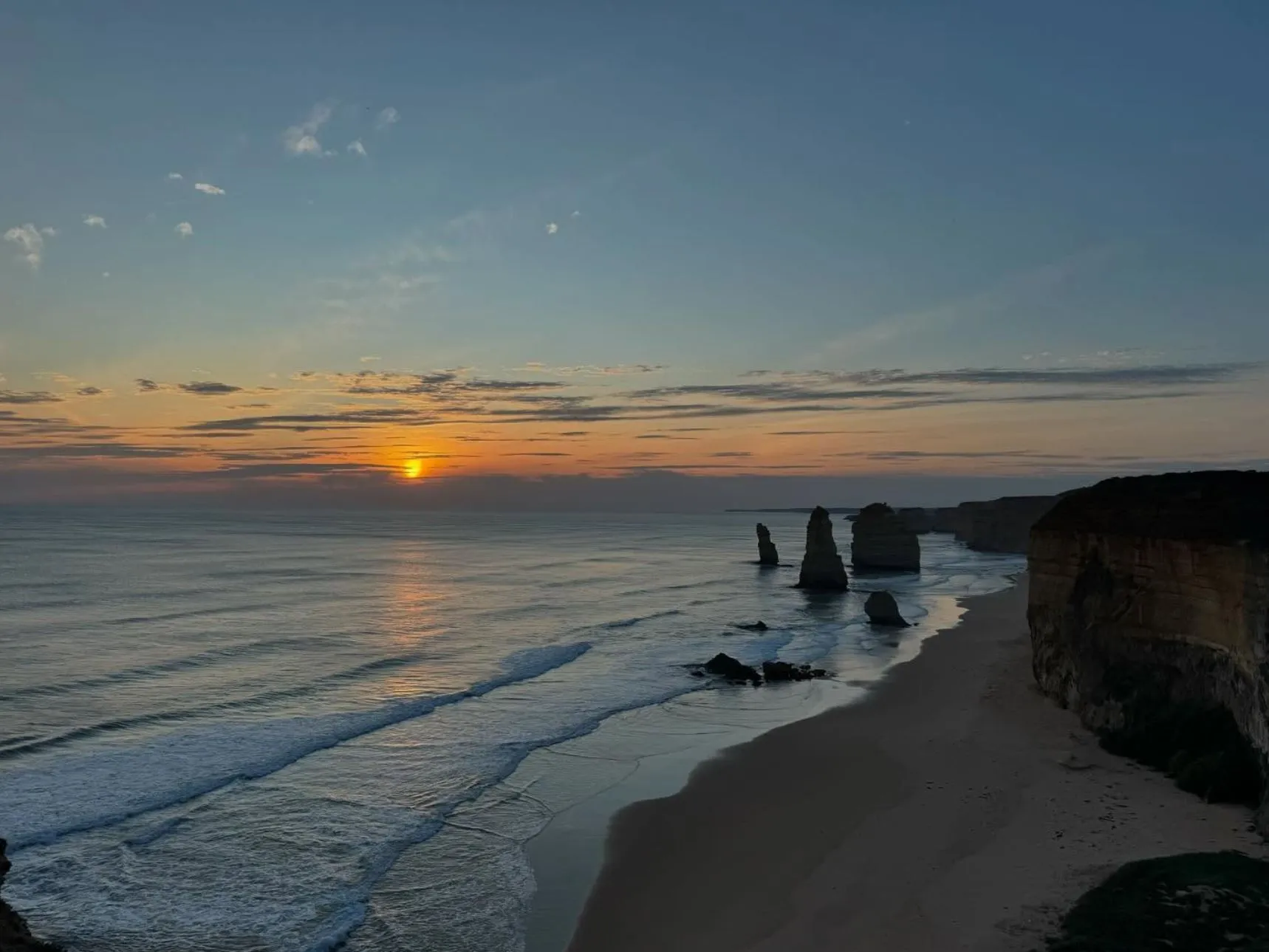
The 12 Apostles were formed over millions of years through erosion. The relentless pounding of the ocean and waves wore away the soft limestone cliffs, sculpting these towering stacks. Originally they were part of the mainland, but erosion carved out caves, then arches and eventually pillars. Today only eight remain, as erosion continues to shape the landscape.
The process is ongoing, with the rough water and crashing waves constantly reshaping the coastline. The fragile nature of the limestone means more formations will collapse and new ones will emerge over time. Scientists monitoring the erosion patterns stress the importance of tracking the changes to understand how the Australian coastline evolves.
Cultural and Historical Significance
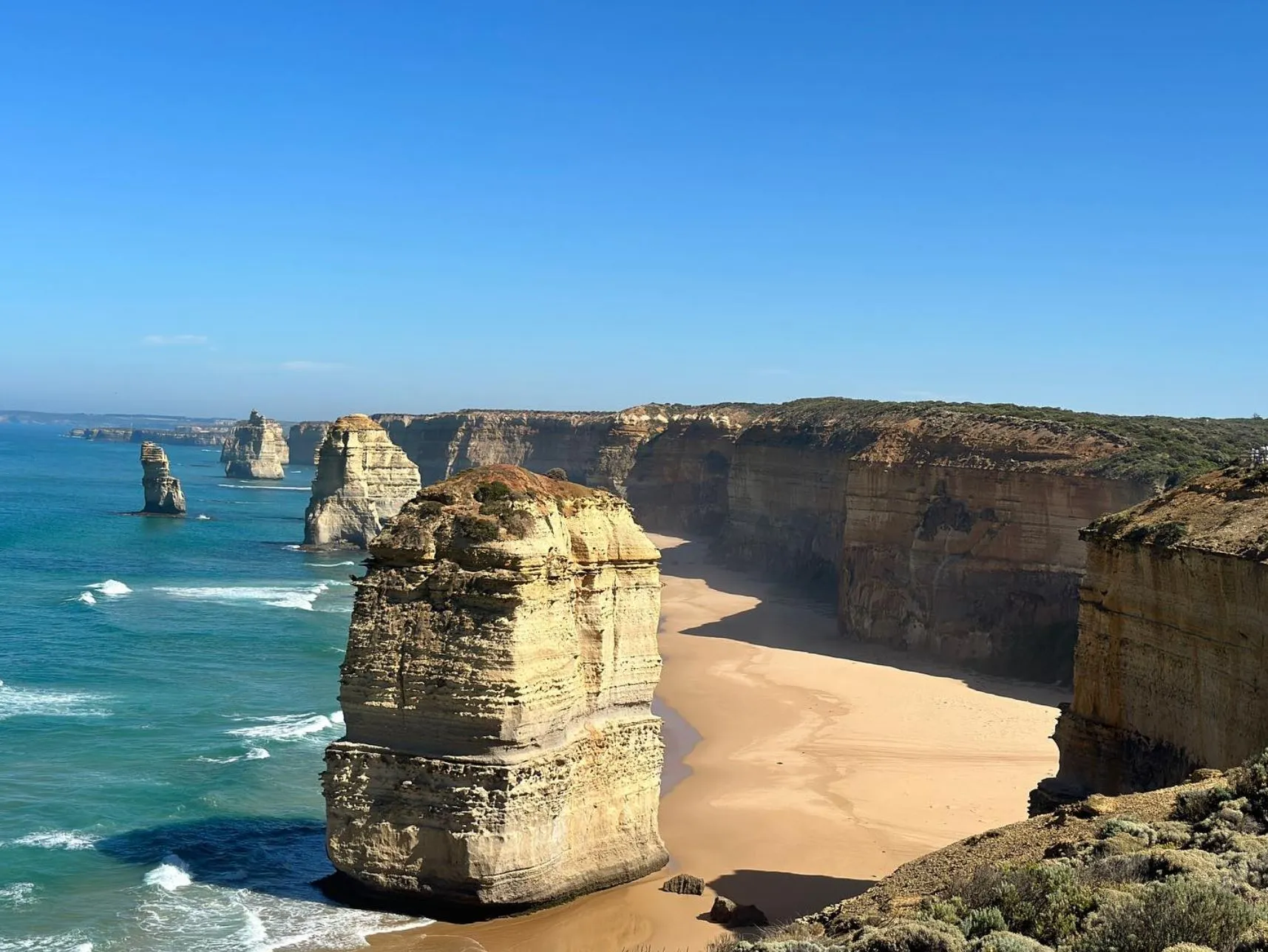
While the name “12 Apostles” might suggest a religious connection, it has no biblical ties. The original name for the formations was “Sow and Piglets”, but it was changed to “The 12 Apostles” in the 20th century to attract tourists.
The site is significant to the Indigenous people of Australia, particularly the Gadubanud people who have lived in the area for thousands of years. These rock formations are part of their country, with deep spiritual connections to the land and sea. Indigenous stories and traditions highlight the importance of these limestone stacks in their culture.
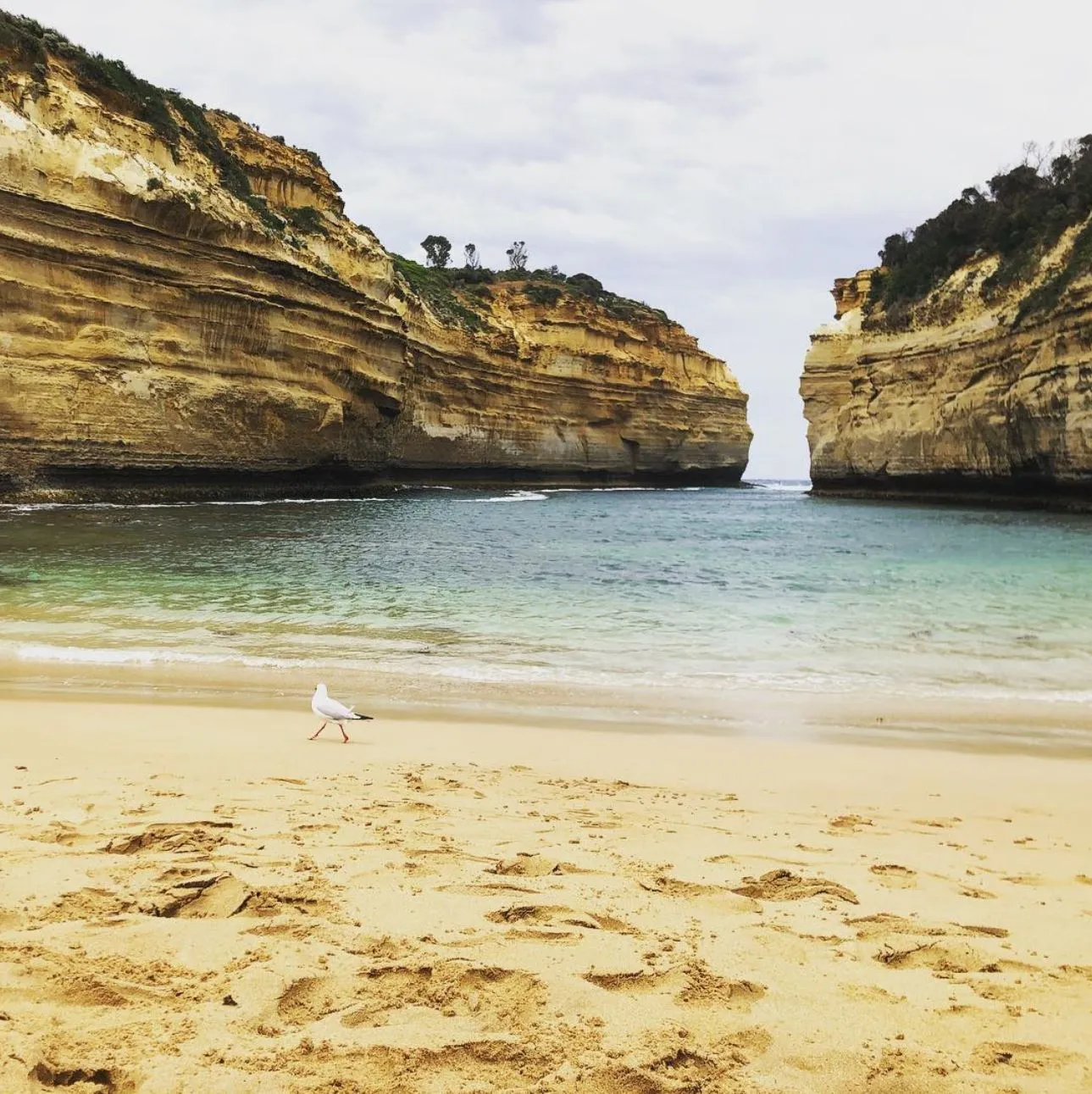
The surrounding coastline has a rich history, including shipwrecks. The waters around the 12 Apostles were once notorious for their rough conditions, with numerous shipwrecks over the centuries. The Loch Ard shipwreck of 1878, which occurred near Loch Ard Gorge, is one of the most famous maritime disasters in Australian history. Today you can learn about these events at the visitor centre and park visitor guide resources.
Tourist Attraction and Economic Impact
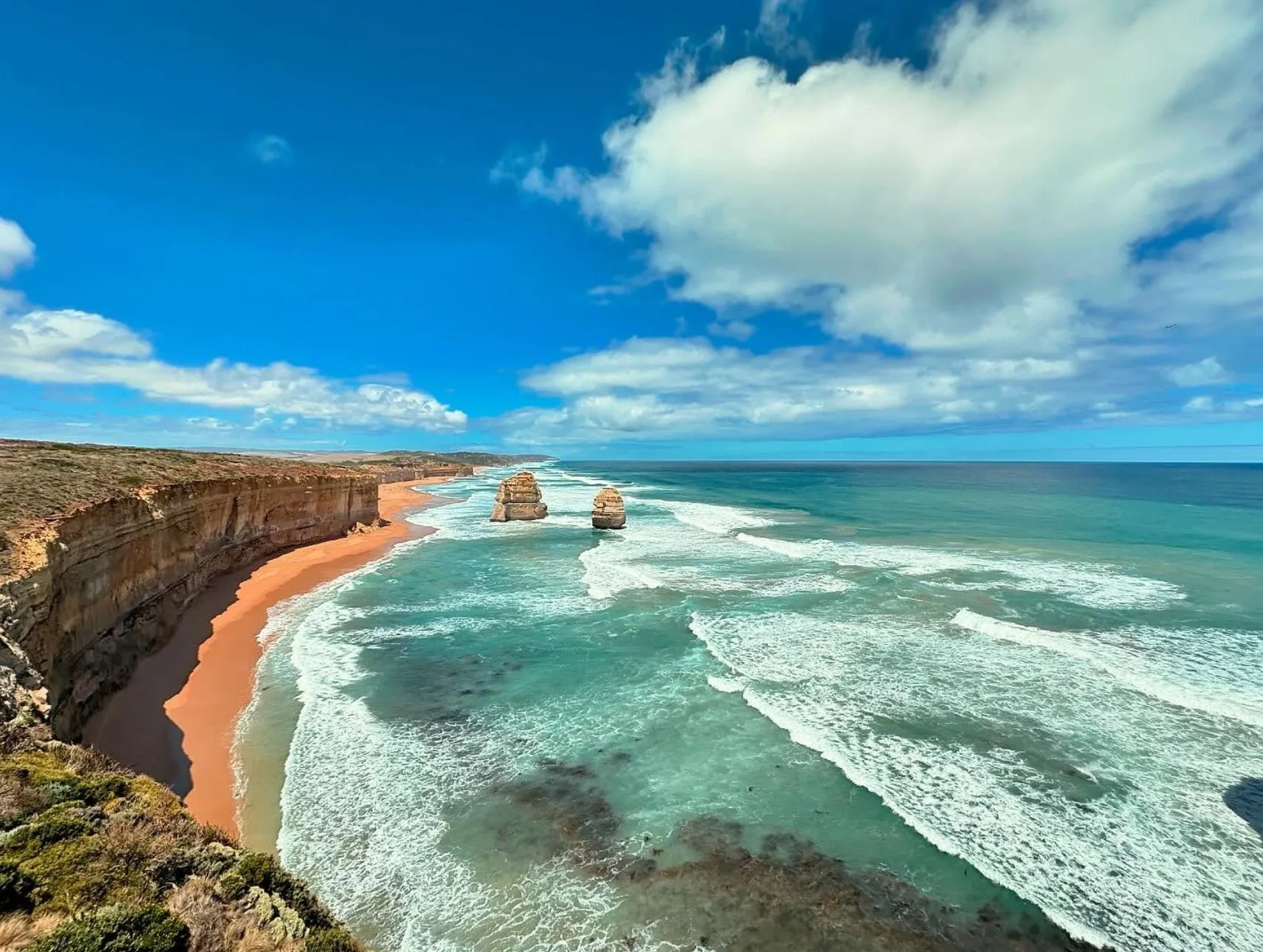
The 12 Apostles are a major player in Australia’s tourism industry. As one of the most visited national parks and a top tourist attraction, they draw visitors from all over the world. The site’s popularity has helped boost the local economy, supporting accommodation providers, restaurants, tour operators and souvenir shops along the Great Ocean Road.
You can visit the site via various viewing platforms, scenic helicopter flights or coastal walks. Beach access is available at nearby locations so you can get up close to the towering limestone cliffs.
For a more in-depth experience, guided tours will give you insight into the geology, history and cultural significance of the area. Helicopter flights over the 12 Apostles will give you a thrilling view of the landscape and show you how the rock formations run along the coast. These tours will make for a fun experience for you and ensure your safety.
One of the easiest ways to visit is to book a 12 Apostles tour from Melbourne. Many tour operators offer full-day tours that include stops at other stunning locations along the Great Ocean Road so it’s a hassle-free and enriching experience for you. Whether you’re a solo traveller or with family, a 12 Apostles tour allows you to see the limestone cliffs without worrying about the logistics of driving and planning your itinerary.
Beyond the 12 Apostles, the Great Ocean Road is home to other amazing landmarks such as Loch Ard Gorge, London Arch and Gibson Steps. These locations offer more sightseeing, hiking and photography opportunities so this region is one of the most scenic drives in the world. The visitor centre and park visitor guide will give you valuable information to make the most of your visit.
Conservation Efforts
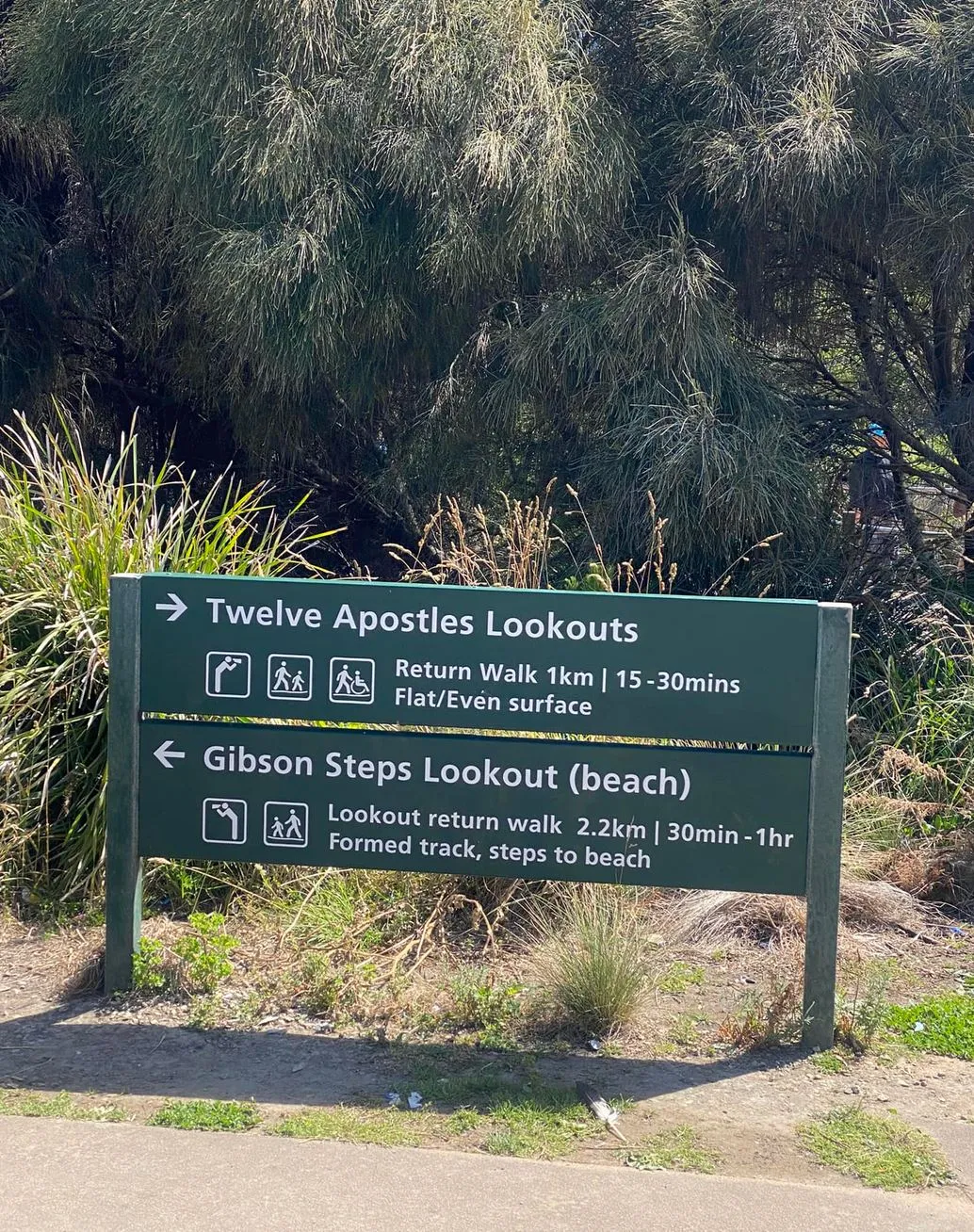
Due to erosion the future of the 12 Apostles is uncertain. Scientists estimate the remaining limestone stacks will collapse over time and new formations will take their place. protecting the site from human impact is crucial so future generations can continue to enjoy its beauty.
Conservation efforts are focused on sustainable tourism, encouraging visitors to stay on the designated paths, minimising damage to the environment and preventing pollution. Coastal management teams are monitoring the impact of big waves and ocean swells on the limestone cliffs and making recommendations for long-term preservation. And wildlife protection. The area has many bird species, marine life and unique coastal flora, all dependent on a healthy ecosystem. We manage visitor impact while maintaining the site’s natural state so it’s safe for both visitors and wildlife.
How to Visit
For those visiting the 12 Apostles, the best time to go is at sunrise or sunset when the limestone stacks are bathed in golden light. Summer (December to February) is the busiest time for tourists with warm weather and clear skies. Autumn and spring are a bit quieter with nice weather.
The 12 Apostles visitor centre has up-to-date information on weather conditions, safety guidelines and local attractions. You can also find brochures and the park visitor guide, which has information on nearby points of interest, walking trails and lookout points.
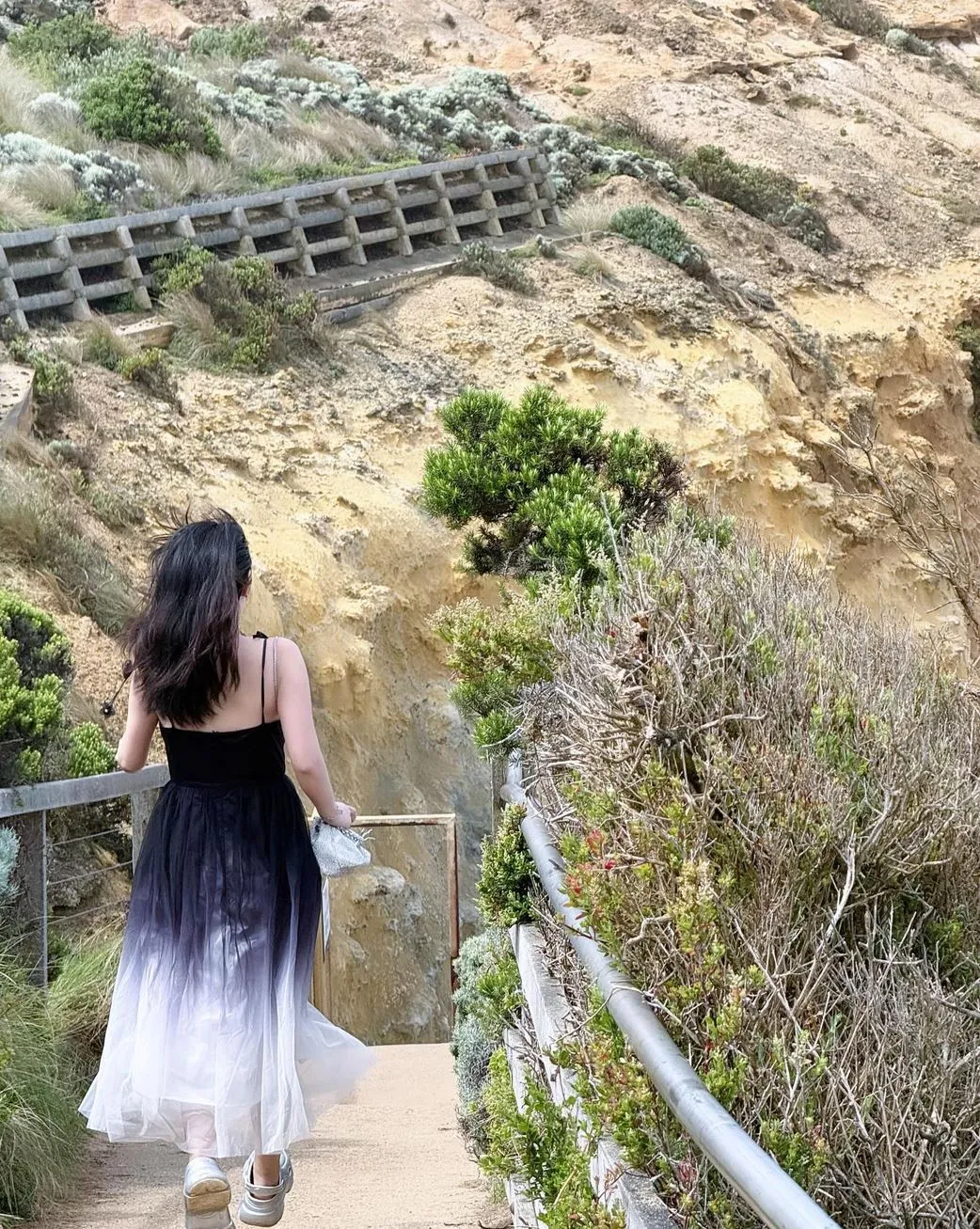
If you are driving the Great Ocean Road there are many stops along the way where you can stop and explore, beaches, rock formations and hidden coves. Beach access is at Gibson Steps where you can walk down to the shore and get up close to the limestone cliffs. Or if you prefer a guided experience book a 12 Apostles tour from Melbourne and have a stress-free day with expert commentary and planned stops at all the best attractions.
Conclusion
The 12 Apostles in Australia are more than just a pretty face; they are a natural wonder, a cultural icon and a tourism powerhouse. Whether you are looking at them from a lookout, exploring the coast or taking a flight over the ocean they are a testament to the ever-changing beauty of the Australian landscape. Visiting the 12 Apostles is an enjoyable experience of history, nature and adventure and will remain a must-see for millions of people every year.
FAQ
How many of the 12 Apostles are left?
Only eight are left as several have fallen over time.
How were the 12 Apostles formed?
They were formed over millions of years by natural erosion of the soft limestone cliffs by wind and ocean waves which formed caves, then arches and then rock stacks.
Where are the 12 Apostles?
The 12 Apostles are along the Great Ocean Road in Victoria, Australia, 275km southwest of Melbourne.
Can you climb the 12 Apostles?
No, climbing is not permitted for safety and conservation reasons to protect these iconic rock formations.
How do I visit the 12 Apostles?
For a hassle-free experience, consider booking a 12 Apostles day tour, which includes transportation and stops at other scenic spots along the Great Ocean Road.