What Is The Speed Limit On The Great Ocean Road?

What is the speed limit on the Great Ocean Road? In plain terms, it typically ranges from 100 km/h on open rural stretches to 80 km/h, 60 km/h, or even 40 km/h through towns, tight bends, and high-risk sections along Victoria‘s Great Ocean Road, the southeast coast of Australia.
I’m Paul, and I’ve driven this stretch more times than I can count — from Eastern View past the old Memorial Arch (a proper war memorial tied to World War I) right through to the Shipwreck Coast. Whether you’re tackling a full Great Ocean Road trip or jumping on one of the Great Ocean Road tours from Melbourne, the biggest mistake I see is drivers treating it like a straight highway.
Contents
- 1 How Speed Zones Actually Behave On This Drive
- 2 Why The Limits Drop Faster Than You Expect
- 3 My Rule Of Thumb After Years On This Road
- 4 Sections Where You Need Extra Caution
- 5 When Traffic Changes Everything
- 6 The Safety Stats You Should Know
- 7 Common Mistakes Travellers Make (And How To Avoid Them)
- 8 Planning A Smoother Drive From The Start
- 9 A Quick Word On Tours Vs Self-Driving
- 10 Final Thoughts From Behind The Wheel
- 11 FAQ
How Speed Zones Actually Behave On This Drive
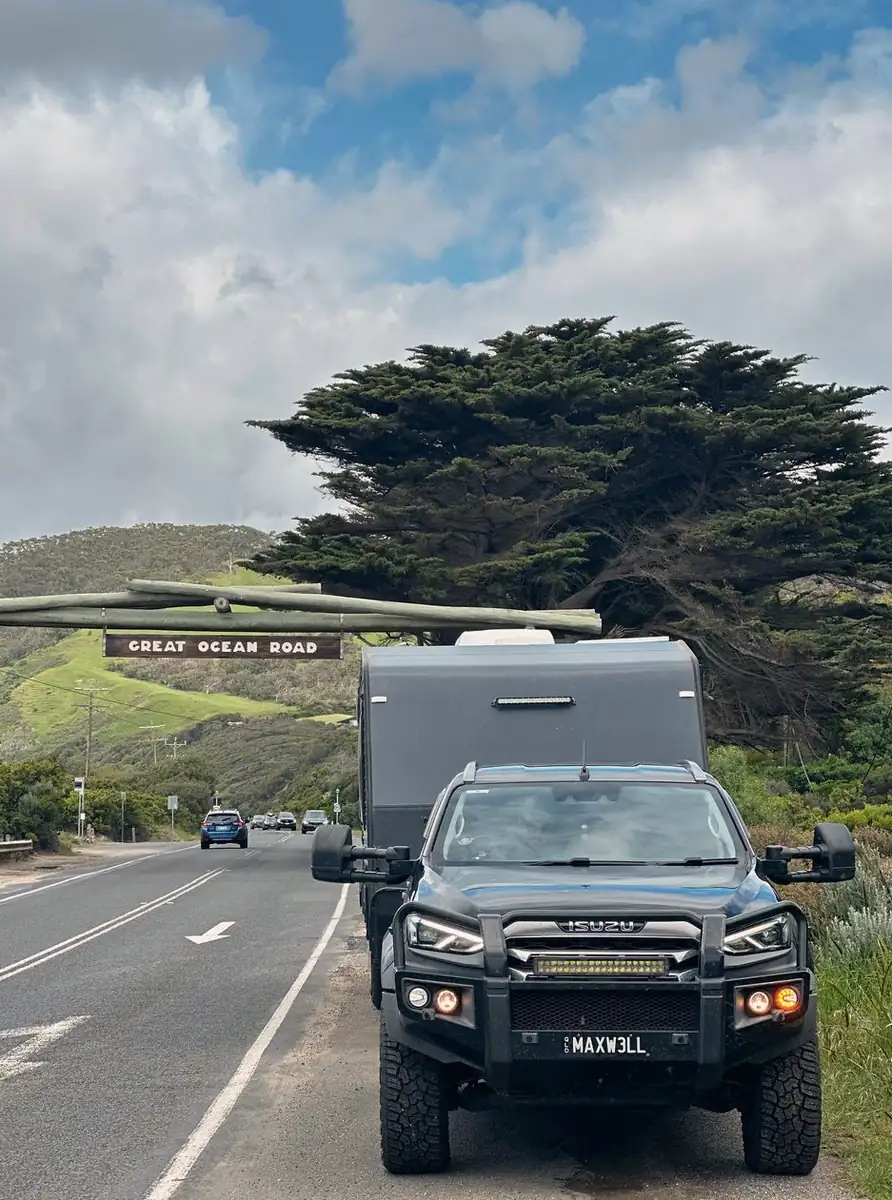
This road doesn’t flow like a highway. It tightens, opens, twists, and slows down in ways that catch people off guard — especially on a first Great Ocean Road trip.
You’ll roll past Eastern View and think it’s smooth sailing. Then suddenly, the bends stack up, the lanes narrow, and you’re adjusting your speed every few minutes.
What You’ll Experience In Practice
Here’s what you’ll actually see on a typical drive:
| Section Type | Posted Limit | Real Driving Feel | Typical Locations |
|---|---|---|---|
| Open rural stretches | 100 km/h | Comfortable only in ideal conditions | Inland near Cape Otway |
| Coastal curves | 80 km/h | Often driven slower | Lorne → Apollo Bay |
| Tight bends | 60 km/h | Requires active control | Clifftop sections |
| Town zones | 50–60 km/h | Stop-start traffic | Apollo Bay, Port Campbell |
| Landmark areas | 40 km/h | Heavy pedestrian activity | Twelve Apostles, Loch Ard Gorge |
Key takeaway: The signs are your legal limit — but not always your safe speed.
Why The Limits Drop Faster Than You Expect

The road wasn’t exactly designed with modern traffic worries in mind or – let’s be honest – for the sake of distracted drivers. It winds its way along cliffs, hacks through forest, and makes a habit of swinging between viewpoints like Teddy’s Lookout, Gibson Steps, and London Arch.
Even on a guided Great Ocean Road tour, drivers with years of experience aren’t just cruising along at the top speed – because they know to expect the unexpected.
You’ll come across speed reductions that are triggered by a bunch of factors:
- Tight blind corners where you can’t see a thing.
- Dense sections of forest in Great Otway National Park and Otway Rainforest.
- High-traffic zones near all the top landmarks, like Loch Ard Gorge and the Twelve Apostles.
- Entry points into busy little coastal towns.
- Pedestrians suddenly pop up near lookouts and visitor centre areas, where everyone stops to take photos.
All of this adds up to ongoing traffic management with plenty of clear road signs, enforced speed-reduction zones, and upgraded roadside barriers, all designed to keep visitors safe.
My Rule Of Thumb After Years On This Road
After years of driving this road, I don’t worry about the limit – I focus on reading the road. On a quiet day, 80 km/h might feel just about right. On a windy afternoon along the Shipwreck Coast, even 60 km/h can start to feel a bit hairy.
When I’m guiding tourists – or even just out on a personal run – I’ve got a few simple habits that I try to stick to:
- Ease off a bit before taking a bend, not when you’re right in the middle of it.
- Anticipate that you’ll need to stop near major lookouts and parking areas.
- Keep an eye out for wildlife near Cape Otway and forest edges.
- Stay patient when traffic builds – and it always does.
It’s not about getting there as fast as you can. It’s about avoiding the situations that you just can’t see coming.
Sections Where You Need Extra Caution
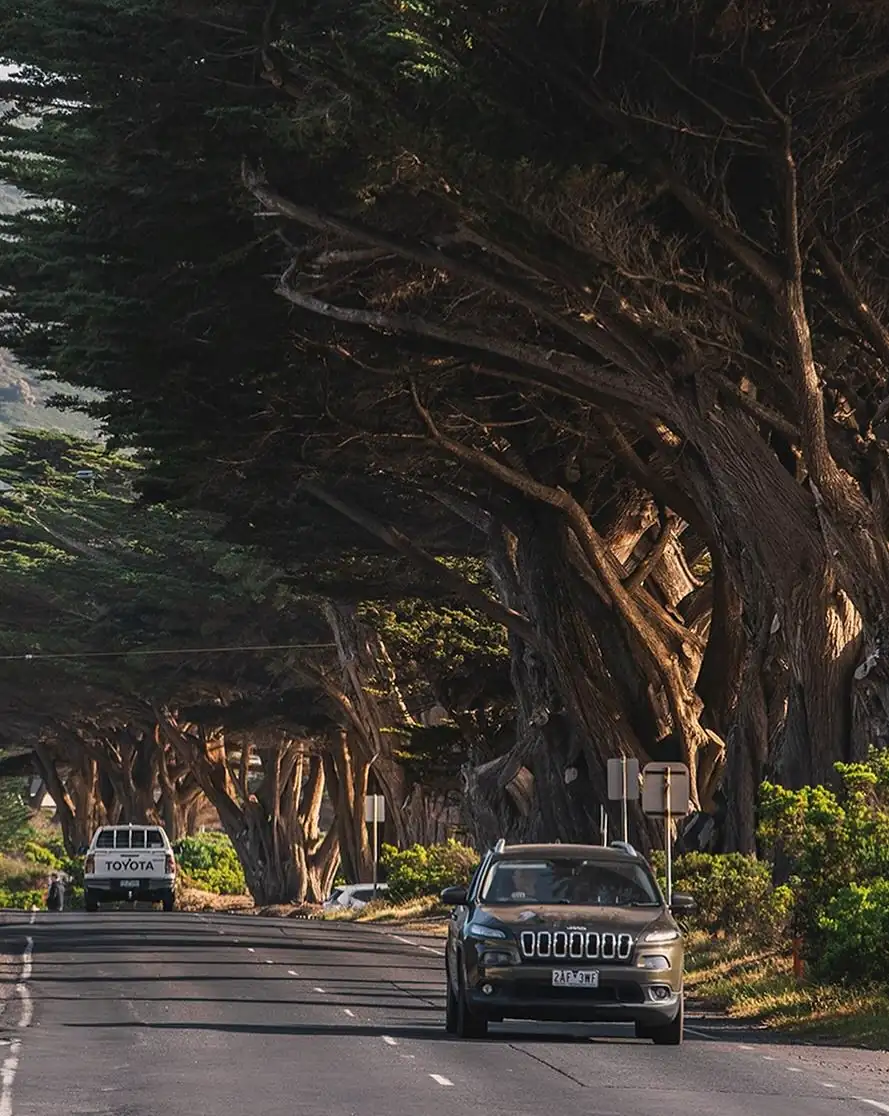
Some stretches of this road are just trickier than others, no matter how much experience you have.
Between Eastern View and Apollo Bay, the road clings to the coastline like a limpet, with constant curves that make you wonder how on earth it’s still a road. And then you head inland through Great Otway National Park, where the road narrows out, especially around Cape Otway, where the trees seem to close in on you.
And then there’s the stretch from Apollo Bay through to Port Campbell National Park – that’s the one with the Twelve Apostles, Loch Ard Gorge, and all the other iconic bits. The road might look open, but trust me, wind gusts, cliffs and unexpected stops will keep you on your toes.
Even the quieter inland detour, such as the Tower Hill volcano or around Tower Hill, can catch you out with unexpected terrain and sudden wildlife movement.
When Traffic Changes Everything
The speed limits stay the same, but the road is a whole different story depending on the time of day you’re driving.
During peak periods such as Chinese New Year, the Melbourne Cup long weekend, or events like the Great Ocean Road Marathon, in corners, in bad weather, or in traffic builds quickly. You’ll hit more traffic jams, car parks full to bursting, and more and more frequent stops.
In those moments, traffic congestion and parking management are what dictate your pace, way more than any speed sign ever will.
The Safety Stats You Should Know
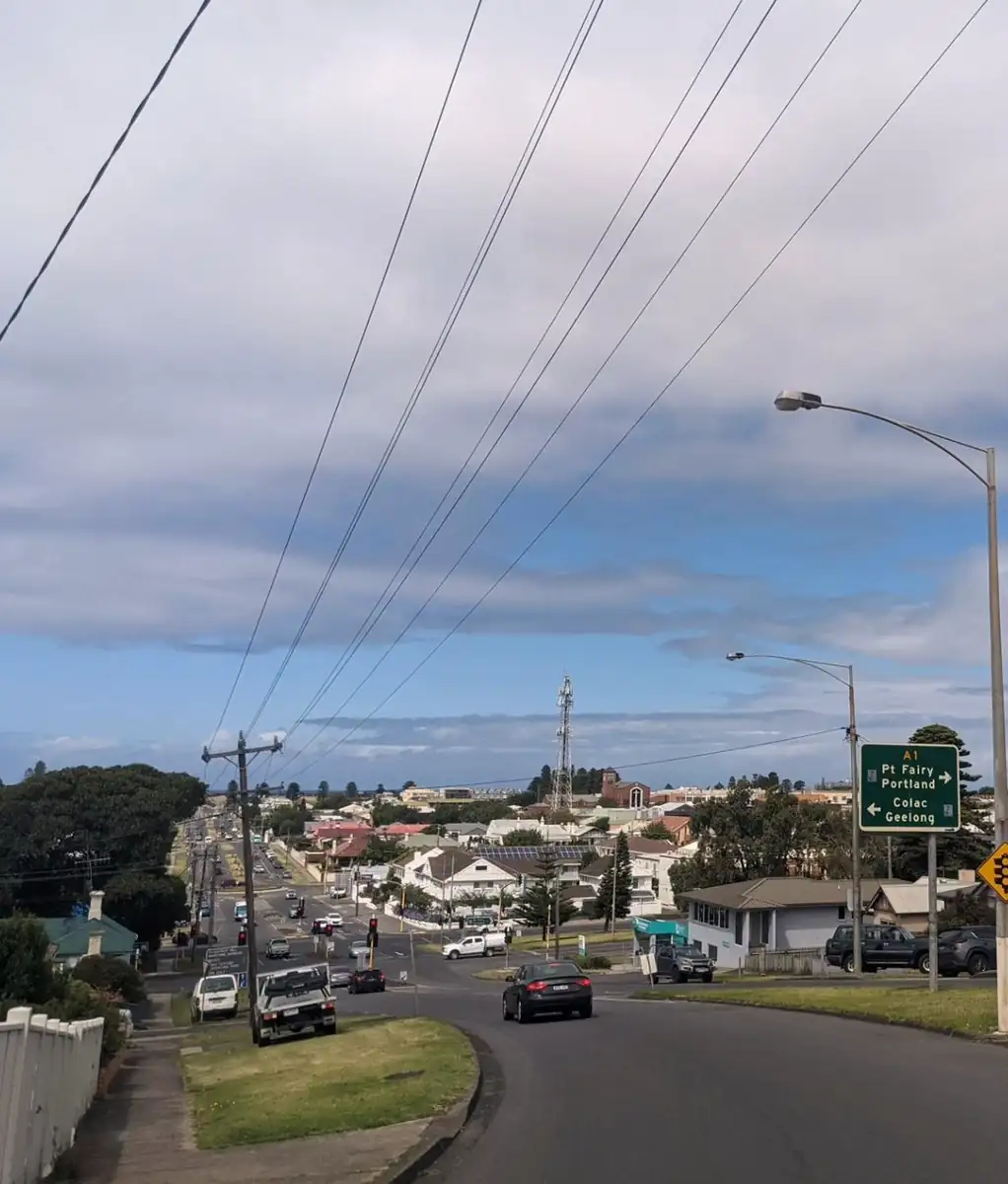
Regional road data in Victoria has been consistently showing us that – and it’s not surprising really – speed and inattention are the main causes of accidents.
Out on roads like this one, even the smallest slip-ups can have serious consequences – especially if you’re getting distracted by the view or feeling the urge to rush to the next tourist stop on your trip along the Great Ocean Road.
That’s why authorities keep pouring money into:
- Improved visitor safety systems
- Better traffic management plans
- Clear multilingual signs for international travellers
Common Mistakes Travellers Make (And How To Avoid Them)
The Big Ones
- Driving at the maximum speed regardless of conditions
- Stopping suddenly instead of using pull-offs
- Underestimating travel time
- Ignoring changing traffic conditions
Quick Fixes
- Use designated stopping areas
- Allow more time than you think
- Expect slower speeds near landmarks
- Stay focused — always
Planning A Smoother Drive From The Start
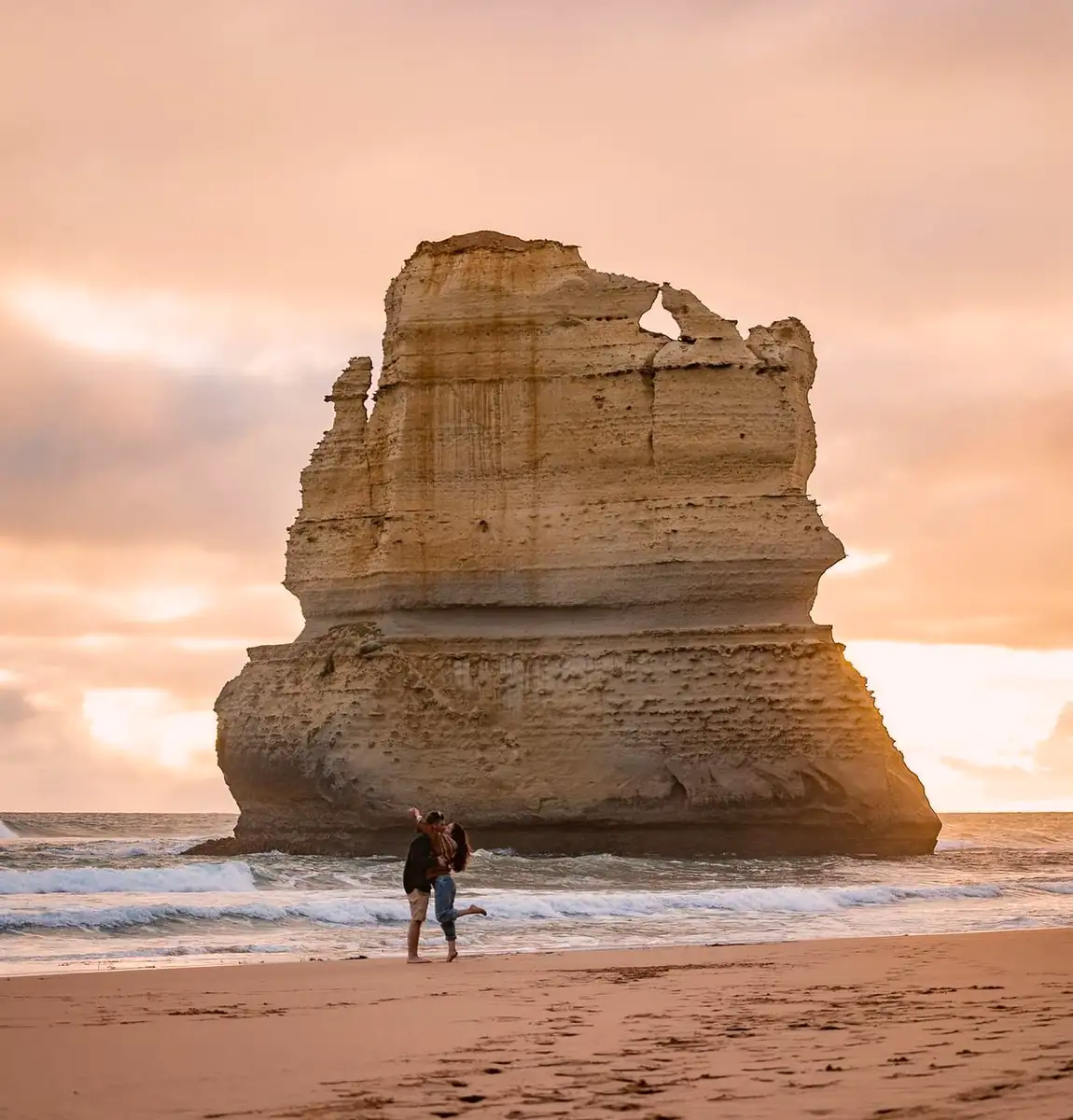
Whether you’re driving off into the sunset on your own or booking on a guided tour with Autopia Tours, doing a bit of planning at the start will make all the difference.
If you are planning your own Great Ocean Road day trip, keep things pretty simple:
- Get an early start from Melbourne Airport if you’re picking up a hire car.
- Check out the current traffic conditions before you set off.
- Use a decent phone app or audio tour that’ll give you good directions and keep you informed.
- Make sure to stop at all the key spots like Memorial Arch, Loch Ard Gorge, and the Twelve Apostles along the way.
And the most important thing of all – don’t try to rush it. Even a short stretch of road can take a lot longer than you expect.
Time Reality Check
| Distance | Expected Time |
|---|---|
| 100 km | 2–3 hours |
| 200 km | 4–6 hours |
That’s standard for scenic drives like this — not slow driving, just realistic.
A Quick Word On Tours Vs Self-Driving
If the idea of dealing with speed zones, traffic, and navigation is a bit too much to handle, it’s no surprise that many travellers opt for a guided tour.
Companies like Autopia Tours run Great Ocean Road tours from Melbourne at a nice, easy pace, with drivers who know the road like the back of their hand. You get to sit back and enjoy the ride while someone else handles the tricky bits.
But if you’re doing this on your own, just take it easy – nobody’s giving out prizes for the fastest lap times along this road.
Final Thoughts From Behind The Wheel
Driving Victoria’s Great Ocean Road is not about speed; it’s about paying attention. This road has a rich history, dating back to after World War I, and today it’s one of Australia’s most famous and iconic coastal routes.
The speed limit changes often – you might see 100 km/h, or it might drop to 80, 60, or even 40 km/h, but the smartest drivers aren’t worried about the number on the sign. They’re watching the road, taking note of the conditions, and just taking their time – whether you’re on a guided tour or driving on your own.
FAQ
Is the speed limit always 100 km/h on the Great Ocean Road?
No, it’s often lower – 80, 60 or 40 km/h depending on conditions and where you are.
Are speed limits enforced on this road?
Yes – you’ll see speed cameras and police patrols, especially around popular tourist spots.
Can I drive at the posted speed limit safely?
Not always. You often need to slow down in corners, in bad weather, or to offer flexibility, but many people prefer traffic.
How long does a Great Ocean Road trip take?
It takes around 4-6 hours to cover 200 km, but that can stretch out if you stop for loads or hit traffic.
Should I self-drive or book a tour?
Self-driving offers flexibility, but many people prefer to offer a guided tour because it’s easier and safer.