Best Night-Time Wildlife Safaris In Australia For 2026: Where The Bush Comes Alive After Dark

The very best night-time wildlife safaris in Australia for 2026 – you know, it’s not about the thrill of the hunt or anything like that – it’s actually about slowing down enough to really notice what’s out there. The minute the sun dips below the horizon, the whole place shifts. The heat fades away, the roads empty out, and the bush just starts coming alive in all sorts of ways you’ll never see during the day.
I’ve been running tours in the Top End, Tasmania and the Red Centre for years now, and let me tell you, it’s a fact: if you only go out during the day, you’re basically missing out on 70% of Australia’s native animals – that’s around dusk and at night. That’s the main event.
This guide gives you the lowdown, the real nitty-gritty – where to go, when it works best, what to bring with you and how to turn a nighttime drive into one of those proper wildlife experiences that actually stays with you.
Contents
- 1 Where the Night Delivers the Goods
- 2 The Top End Floodplains – A Moving Picture Show
- 3 South Australia’s Coastal Edge and Island Wildlife
- 4 Daintree After Dark – Just A Different World
- 5 Tasmania’s Chill Climate and Regular Wildlife Activity
- 6 Island Stays That Don’t Need A Full-Scale Expedition
- 7 A Clear Snapshot Of What Works Best
- 8 Spotting Movement When Everything’s a Dull Blur
- 9 What You Actually Need (Don’t Go Over the Top)
- 10 Choosing How You Explore (On Your Own or with a Guide)
- 11 Timing Your Trip So You Don’t Get Caught Out
- 12 One of Those Nights That You’ll Never Forget
- 13 Getting The Basics Right Before You Head Out
- 14 What You Take Away From It
- 15 Final Word From Paul
- 16 FAQ
Where the Night Delivers the Goods
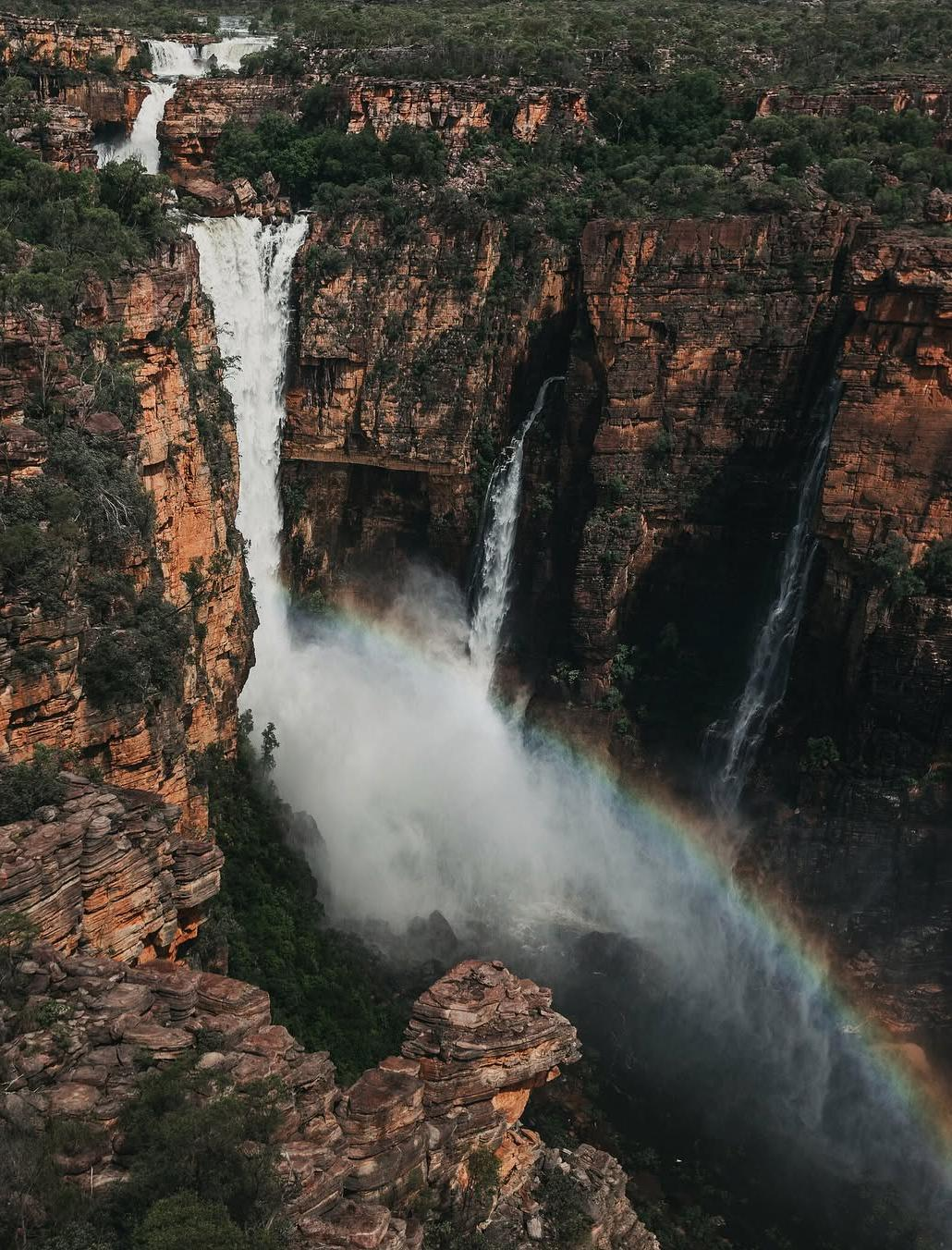
Australia’s a big place, and to be honest, not every region is going to be the same at night. Some places will go quiet; others will just switch on like a light has been flicked on.
The Top End Floodplains – A Moving Picture Show
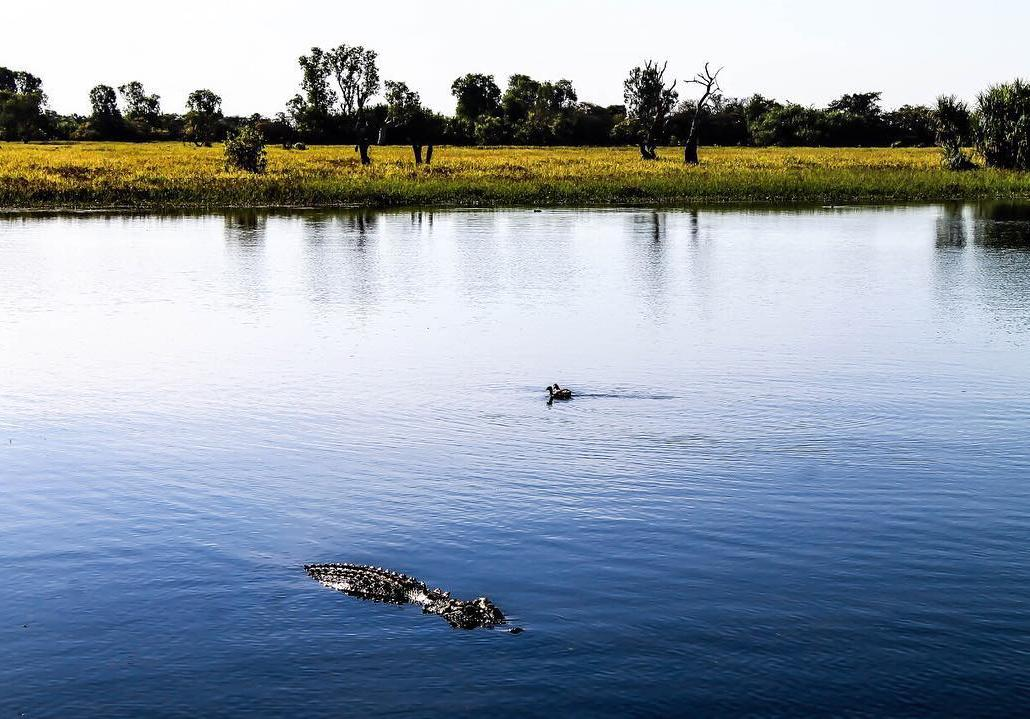
Up north, things don’t ease gently into the night – they just jump right in. The floodplains and billabongs around Kakadu are just the best spots for getting up close and personal with the wildlife.
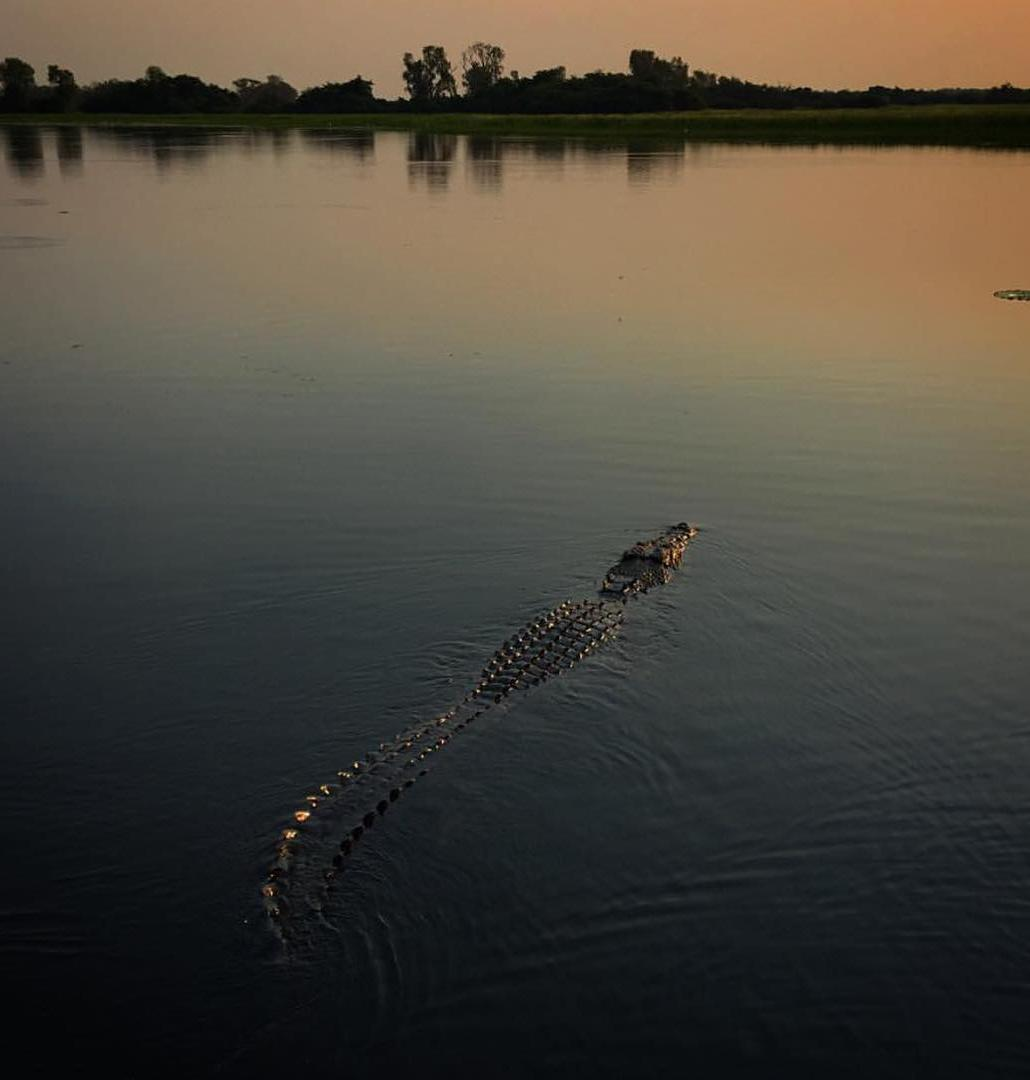
You’ll see crocodiles cruising through the water, wallabies grazing along the edges, and bats filling the sky around sunset. It’s not subtle – it’s layered, noisy, ever-changing.
The dry season (May to October) is your best bet – if the wet season arrives, out go the roads, in go the floods, and plans just go out the window quickly. That’s where the guided operators like Wildlife Tours really earn their keep – they know what’s on and what’s off.
South Australia’s Coastal Edge and Island Wildlife
If you want to see some wildlife without going completely off the beaten track, South Australia’s a pretty safe bet. Kangaroo Island, in particular, is good for some reliable sightings without needing to get too adventurous.
Driving around Remarkable Rocks, you often see roos and possums moving through the open country. Even just after dusk, around Adelaide, places like Glenelg Beach and the surrounding area are good spots for a mix of coastal and bush activities.
It’s a pretty good introduction to nighttime safaris – not too intense, but still packed with some really worthwhile wildlife experiences if you just take your time, you know?
Daintree After Dark – Just A Different World
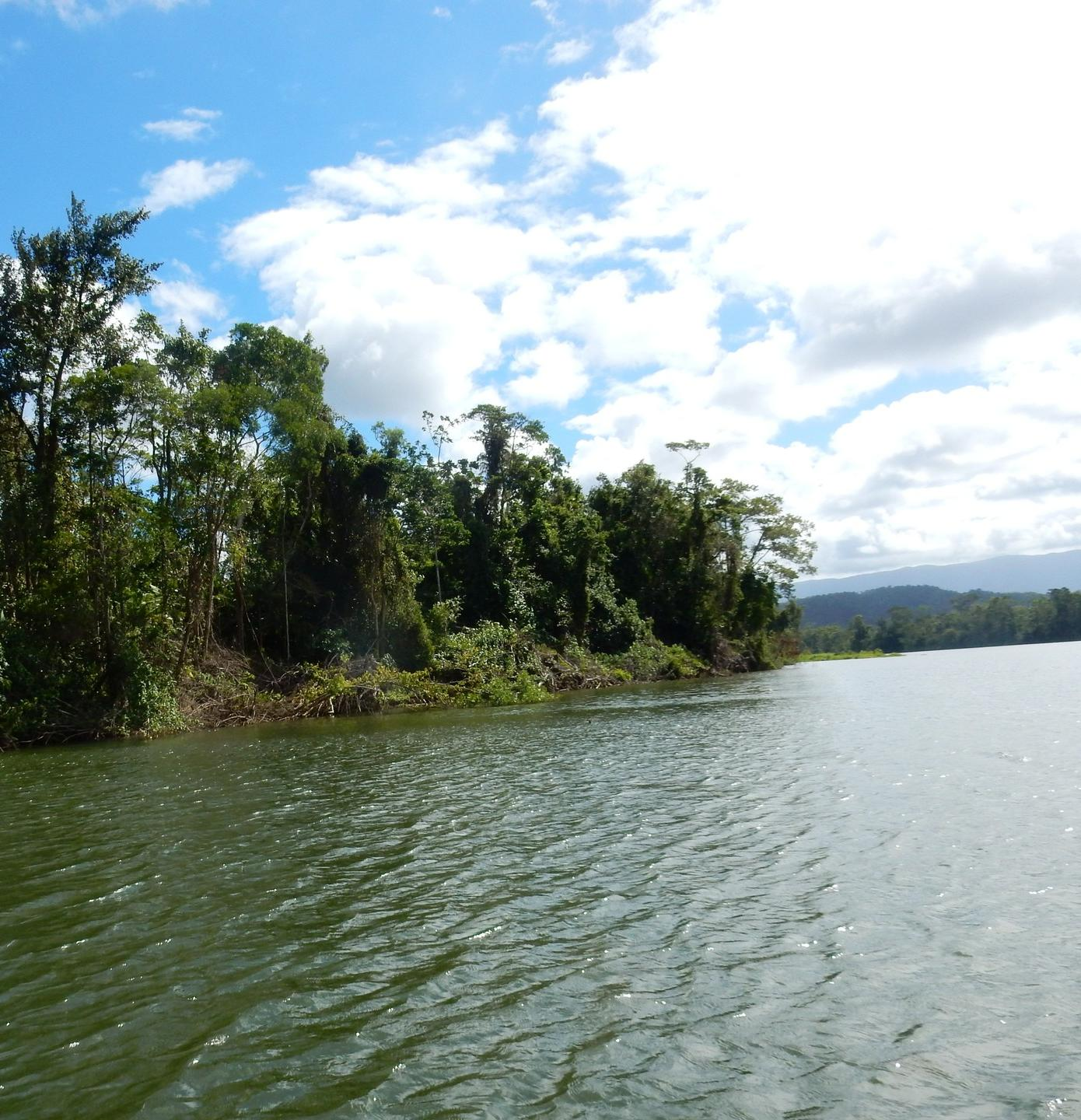
The Daintree is anything but quiet. It just hums, clicks and moves on, once the sun sets.
You get frogs clinging on to branches, insects swarming through the air – and then there are the reptiles just sitting there until you turn the torch on them. You won’t see everything – but you’ll feel like you’re being watched anyway.
It’s a good idea to bring a proper rain poncho, or at least some good rain gear – and don’t underestimate the value of a good guide here. Spotting wildlife in a dense rainforest like the Daintree is an art form, not some sort of luck. The better tours can turn a confusing walk into a real wildlife experience that actually makes some sense.
Tasmania’s Chill Climate and Regular Wildlife Activity
Tasmania’s got its own laid back vibe going on – colder air, quieter nights and wildlife that stays up later than most
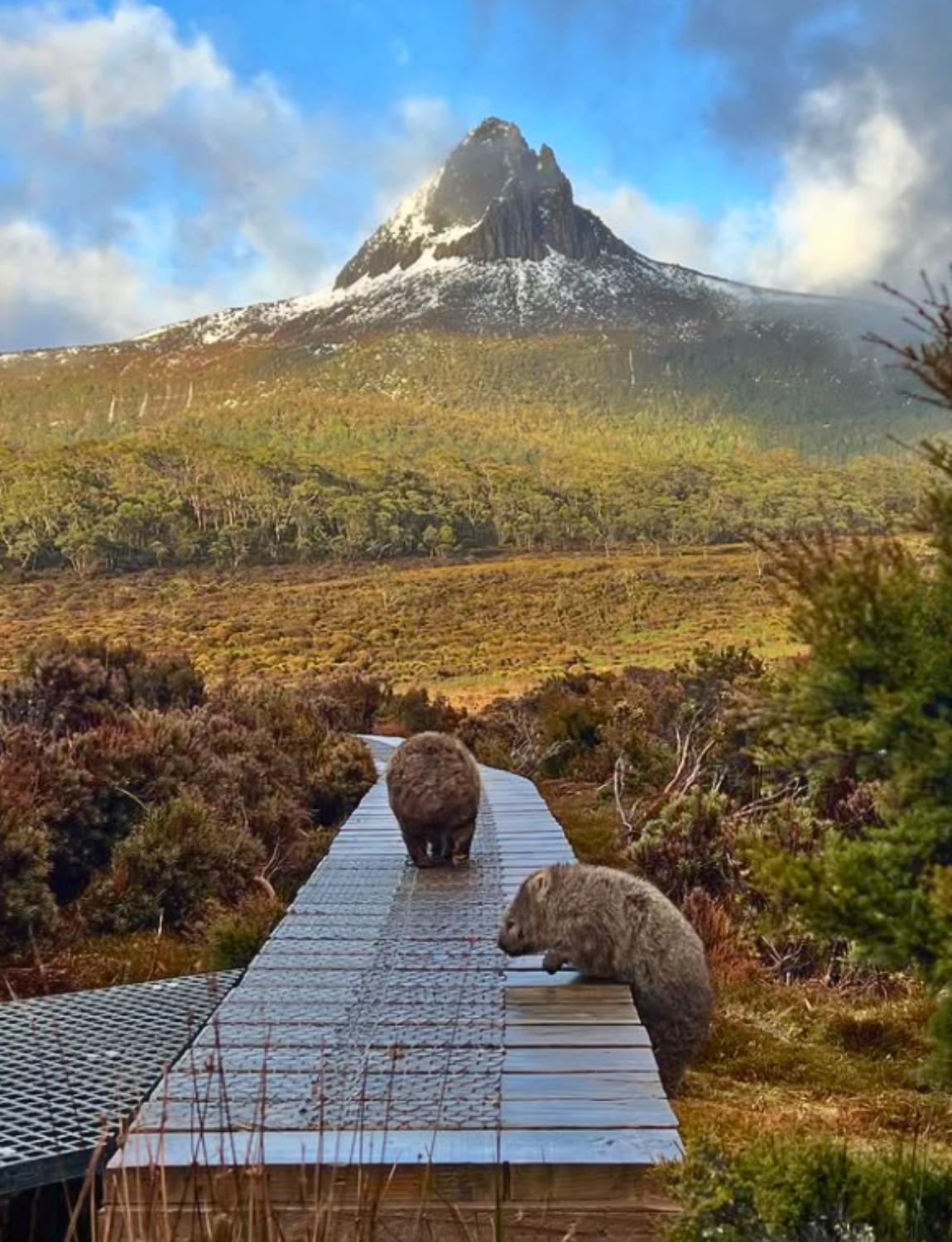
Around Cradle Mountain, you’ve got a pretty good shot at spotting a few Tassie devils, wombats and if your luck’s in, maybe even an Eastern Quoll or two. Although they’re not a guaranteed sighting, they’re definitely out there
This is one of the easier places to visit at night – what I mean by that is the tracks are easily accessible, distances aren’t too far, and there are some well-organised guided wildlife tours to get you up close and personal
Island Stays That Don’t Need A Full-Scale Expedition
You don’t always need to head out to the middle of nowhere to have a wildlife experience
Phillip Island is a great option if you want a well-structured wildlife tour that gives you a pretty good idea of when to expect certain animals to turn up. Same with Magnetic Island in Queensland, but this one’s a lot more laid back and relaxed – you’ve got a pretty good chance of spotting wallabies and other critters that are most active at night.
Both are ideal if you want a solid wildlife experience without being out in the sticks.
A Clear Snapshot Of What Works Best
| Location | Wildlife Highlights | Effort Required | Best Time | Approach |
| Top End (NT) | Crocs, wallabies, bats | Moderate | May–Oct | Guided / 4WD |
| Kangaroo Island | Kangaroos, possums | Easy | Year-round | Self-drive |
| Daintree | Frogs, reptiles | Moderate | May–Oct | Guided |
| Tasmania | Devils, quolls | Easy | Year-round | Guided |
| Phillip Island | Penguins, small mammals | Easy | Year-round | Tour |
Spotting Movement When Everything’s a Dull Blur
That’s where most people get caught out. They cruise along too quickly, expect to spot something obvious, and end up missing whatever’s right in front of them.
The trick to doing it right is simple, but it takes practice. So slow down – not just a bit slow, but properly slow. Take a good, hard look at the edges of the road, not just the middle. Stop every now and then. Even better, turn the engine off and just listen for a bit.
You’re not scanning for animals that look like a neat little shape. You’re looking for movement, just a hint of life. That’s how you start to see the bush for what it is.
What You Actually Need (Don’t Go Over the Top)
You don’t need a whole load of gear to do this sort of thing properly. Keep it simple.
A good headlamp makes a big difference, rather than lugging around a handheld torch. Get some decent insect repellent – the real stuff, not the mild sort that’s a waste of time. Long sleeves and pants will keep you from getting eaten alive by mosquitoes and scratched to bits.
If you’re planning to head north or into a proper rainforest, bring some rain gear or a poncho, even if the forecast says it’s going to be fine. The weather can turn on you in a heartbeat, and getting drenched early on will ruin the whole night.
Bring some water and be prepared to hang about. Leave all the unnecessary gear behind.
Choosing How You Explore (On Your Own or with a Guide)
You can do it either way – it all depends on where you are and how much effort you’re willing to put in.
Driving yourself works pretty well in places like Kangaroo Island, Tasmania, and Magnetic Island. The roads are okay, the wildlife is visible, and you can take your time and do things on your own schedule.
But in more complicated places – think of somewhere like Kakadu’s wetlands or the Daintree – guided tours are a whole lot better. These guys, like Wildlife Tours, know where the animals tend to be, when they’re most active, and how to position you to see them without scaring them off.
Those are the nights when you think to yourself – this is what I’m here for.
Timing Your Trip So You Don’t Get Caught Out
You’d be surprised how much of a difference Australia’s seasons can make a difference.
Up north, your best bet is to go during the dry season. The roads are open, the visibility is better, and the animals are easier to spot. The wet season? Forget it – the rain just makes a mess and closes all the roads.
Further south, it’s a bit different. Tasmania and South Australia have opportunities year-round, and if you prefer cooler weather, it’s usually a better time for spotting wildlife.
Along the coast, try to hit the shoulder seasons. The heat’s not as bad, there are fewer storms, and the weather’s just more consistent.
One of Those Nights That You’ll Never Forget
I still remember pulling over outside Mataranka and getting a good look at some movement on the road.
This big goanna strolled across slowly, completely not bothered about a thing. And a few metres behind it, this dingo just stood there, watching, waiting.
Not a peep, not a rush, just complete calm. That’s what night safaris are all about – timing and instinct.
Getting The Basics Right Before You Head Out
Preparation isn’t rocket science, but it does need to be done; you’re heading into a mess.
Check the road conditions before you leave – some areas can change fast, especially up north. Give your tour bookings a confirmation ahead of time – many of ’em require a full payment upfront.
Fill up your tank earlier than you think you need to. Distances can stretch out way faster than you expect once you’re out of town. Get your headlights and devices charged, and share your plans with someone – especially if you’re heading into the sticks.
When you’re out driving, ease off the throttle as dusk sets in. Stay sharp and don’t rush. That’s usually when the wildlife starts to move.
What You Take Away From It
Night safaris aren’t non-stop action – they’re all about patience.
You’ll spend a lot of time just standing there, listening, wondering if anything’s out there at all. Then suddenly, something shifts. A pair of eyes lights up, a shadow moves where you know there wasn’t a thing just a second ago.
That’s when the penny drops.
If you want to make things easier on yourself, consider looking into one of the structured tours, or joining a small group – whether that’s through us at Get Lost Travel Group or one of the other operators like Wildlife Tours. The right guidance can turn a quiet night into something you’ll actually remember.
Final Word From Paul
Australia in the dark is a whole different ball game. There are fewer people, less noise, and more awareness.
If you can slow down and actually pay attention, you’ll see a side of the country that most people zip past.
FAQ
What animals are most active after dark in Australia?
You’ll usually catch a glimpse of kangaroos, wallabies, possums, wombats, bats, and reptiles. In certain parts of the country, you might even spot a Tasmanian devil or two Eastern Quolls.
Can you go through this without a guide?
Yeah, especially if you’re heading to a place like Tasmania or Kangaroo Island. In more complicated environments, having a guide is a real game-changer.
What time of day is best for this sort of thing?
Usually, from dusk through mid-evening is when you’re most likely to see wildlife on the move.
Do I need all sorts of fancy gear?
Nope. A basic headlamp, some bug spray, and decent clothes will get you most of the way there.
Is this stuff okay for first-time travellers?
Absolutely – it’s a great place to start. Begin with the easier locations, then gradually work your way up to the more remote areas once you get a bit more experience.