How To Get Around Sydney: A Guide To Ferries, Trains, And The New 2026 Transit Tips

How to get around Sydney: a guide to ferries, trains, and the new 2026 transit tipsmay sound like a mouthful, but trust me – if you’ve ever had the pleasure of trying to navigate Sydney at peak hour, you’ll know you need every trick up your sleeve. I’ve been there myself, fumbling through the city with nothing but an Opal card, a dog-eared paper map, and a vague plan scrawled on a street corner at Circular Quay. And what I learned in double-quick time was that Sydney’s all about being prepared. Whether you’re chasing the thrill of a Sydney Harbour crossing or just trying to find a relatively quiet spot to grab a seat on public Transport, there’s a rhythm to this city that’s just begging to be discovered – and I’m here to help you tap into it.
Sydney’s transport network isn’t perfect – who’s perfect, right? – but once you know where the bottlenecks are, how Opal caps work, and what locals do when everything goes pear-shaped (hint: we grab a cold one and rethink our schedule), you’ll find that it’s actually pretty intuitive.
Let’s break it down with a bit of honesty, some real-world experience and a few cheeky asides to keep things real.
Contents
- 1 Finding Your Bearings Without Getting Snarled
- 2 Mastering The Harbour Crossings Without The Chaos
- 3 Tapping And Capping Without Burning Your Budget
- 4 Planning Your Day Around Peak Hours
- 5 Choosing The Right Route For Each Neighbourhood
- 6 New Transport Links Across The City
- 7 Local Shortcuts That Make Your Days Run Smoother
- 8 Sydney’s Waterfront Made Easy
- 9 Making City Travel Accessible For Everyone
- 10 Honest Lessons From Sydney’s Tracks
- 11 FAQ
Finding Your Bearings Without Getting Snarled
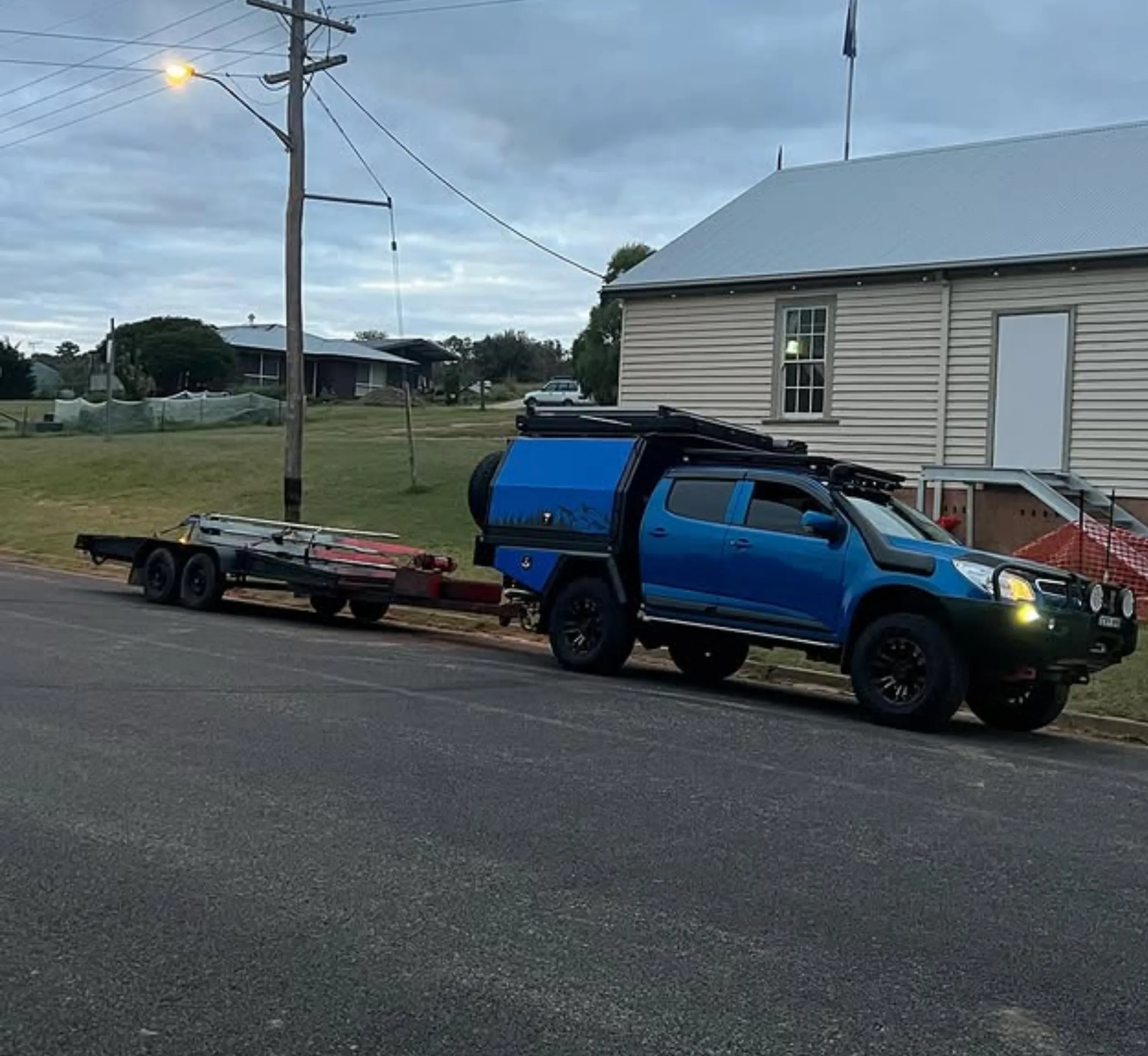
If you want your Sydney days to flow like a dream, start by getting a handle on the city layout before you even think about tapping on your Opal card. The Harbour may look bloody pretty, but it also pretty much divides the city into separate bits – like the Sydney CBD, Lane Cove and Watsons Bay – that can either make or break your journey. You’ll quickly see why some of us are so keen on specific routes – we learned the hard way.
Spend a few minutes studying a map – the Transport for NSW Trip Planner is a good place to start, or the Accessibility Map is worth a look too. Then you’ll avoid doing what plenty of newbie travellers do – assuming everything is close because it looks close. Sydney’s got its fair share of steep hills, bays that cut you off, random stairways and roads that dog-leg for no good reason. Save yourself a load of muttered swear words by planning and using decent navigation tools like the Sydney Culture Walks app.
Mastering The Harbour Crossings Without The Chaos
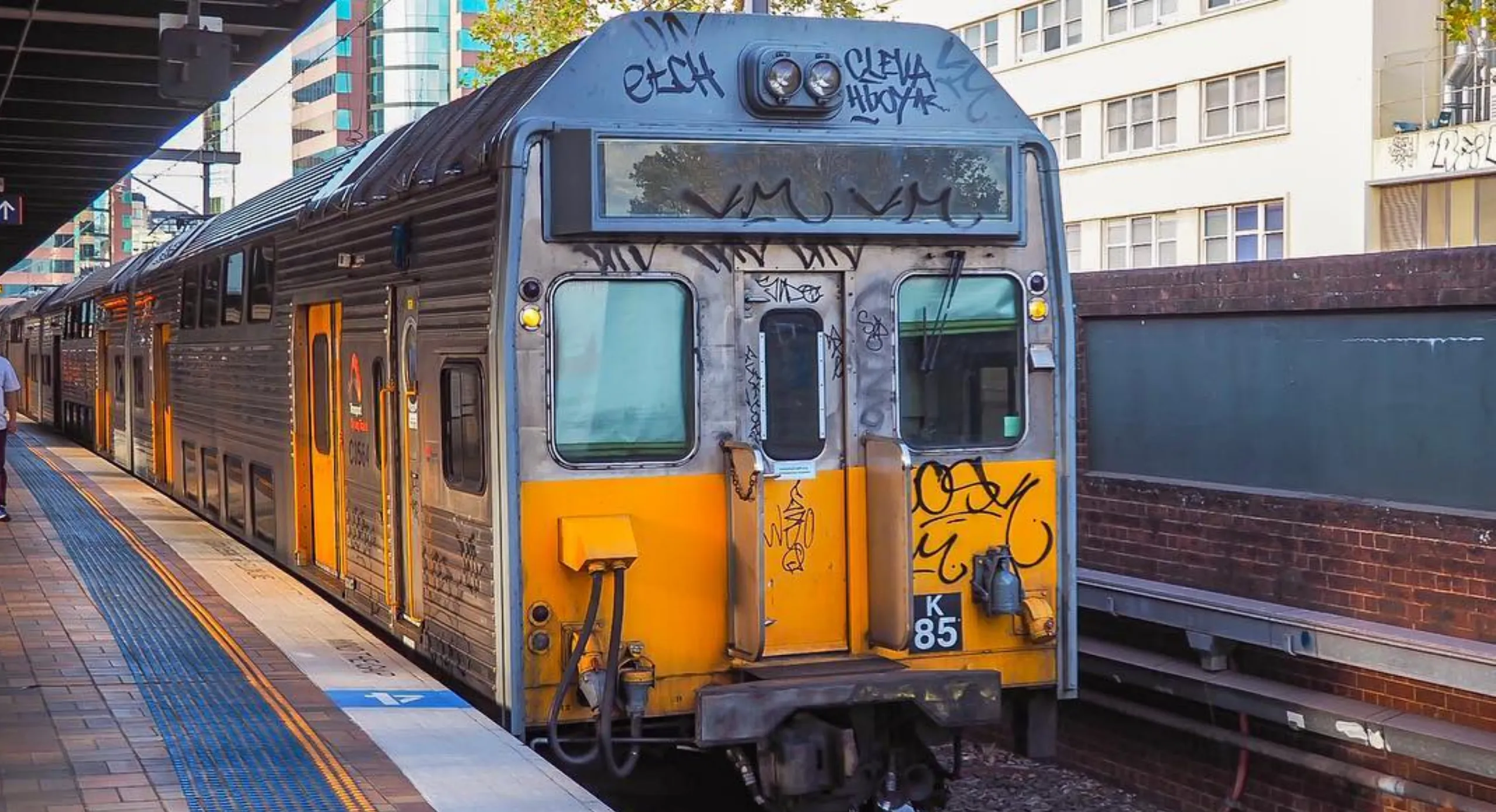
Crossing the Harbour Bridge, you get a real feel for what Sydney’s all about – and where things can turn into a complete mess if you time it wrong. Traffic on the bridge can be a breeze at 10 am, but by 4 pm it’s a total zoo – commuters are swarming home like blowflies on a ripe steak, and you’ll be stuck in the same spot going nowhere fast. Getting from The Rocks, Kirribilli House and the Opera House precinct at peak times can be a real slog… unless you jump on the light rail or grab a quick Cross Harbour ferry, of course.
Here are a few tips to save you from the chaos:
- Mid-morning crossings are usually pretty easy-going.
- Weekends can be a real hassle, especially if there’s some event or festival downtown around Circular Quay and Customs House that’s drawing in the crowds.
- On foot is almost always better than in the car if you’re crossing the CBD.
- If you’re heading to the Northern ‘Burbs during peak hours, plan on delays.
You’ll soon see why locals swear by any travel option that spares them the bridge – especially when it comes to getting from places like Cremorne Point, Mosman Bay, Rose Bay or Double Bay to Circular Quay on a Mon – Fri. And that’s probably why so many visitors on our Autopia Tours learn the hard way that crossing The Rocks, the Opera House and Kirribilli House is a whole lot easier when you time your move outside of peak hour madness.
Tapping And Capping Without Burning Your Budget
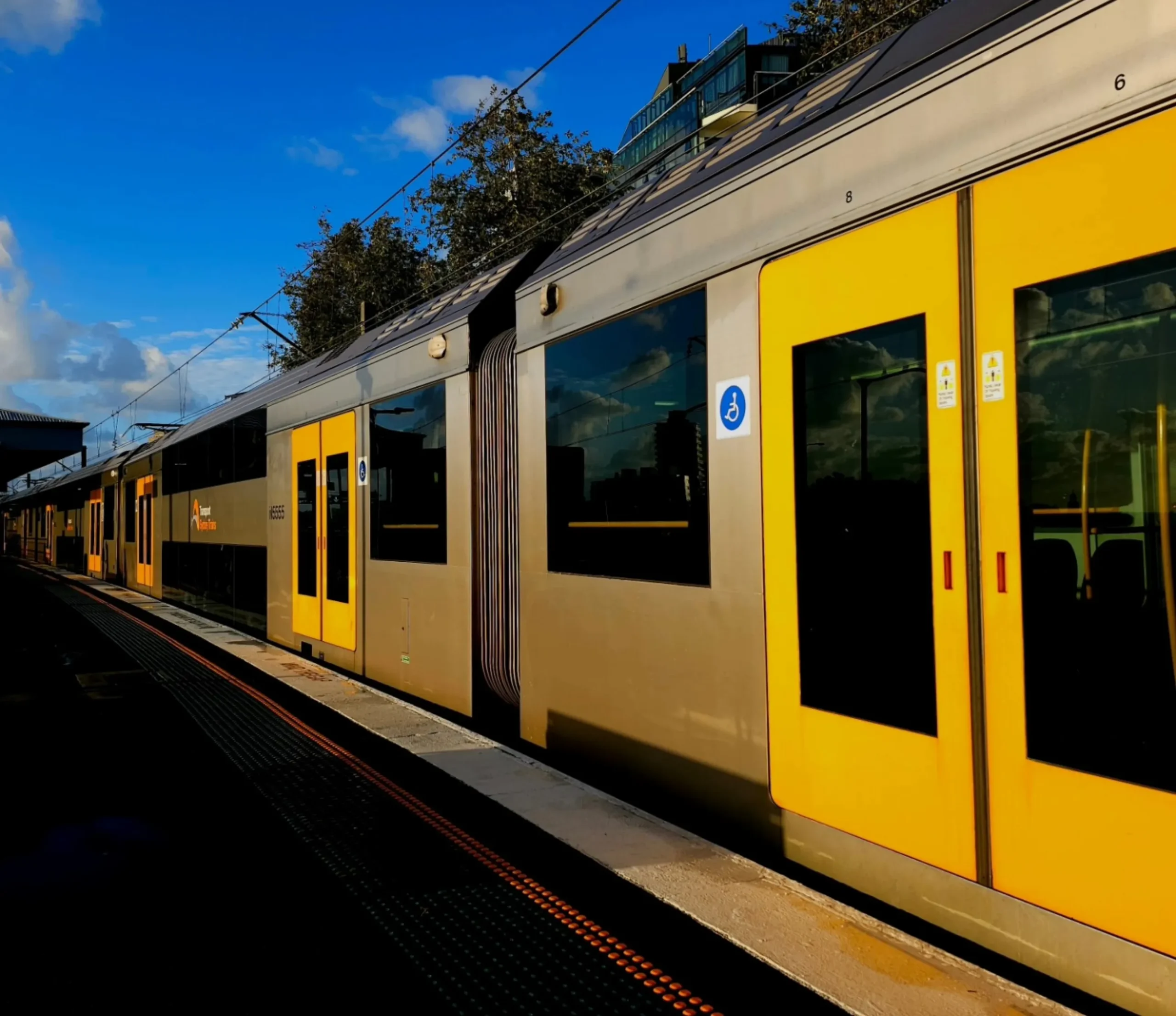
The Opal card system – Sydney’s tap on, tap off ticket – can save you a pretty penny if you know how to work it. Too many people forget to check their balance, get stung by peak fares, or accidentally tap the wrong reader, then end up wandering around looking like a plonker. Using an Opal card on routes like Barangaroo – Circular Quay or the Parramatta River corridor keeps things simple once you’ve figured out the ropes.
Opal fare caps as of January 2026 (subject to change):
(Statistics referenced from Transport for NSW’s publicly available fare data.)
| Cap Type | Daily Cost (AUD) | Weekly Cost (AUD) |
|---|---|---|
| Adult | $17.80 | $50.00 |
| Concession | $8.90 | $25.00 |
| Sunday | $10.00 (flat) | n/a |
These caps mean you can criss-cross Sydney – whether that’s to Bondi Beach, Cronulla Wharf, Taronga Zoo or Cockatoo Island – several times a day & still not break the bank. Just be aware of that airport station surcharge – it’s still there, just as annoying as it ever was, & still catches out anyone new to the city.
Planning Your Day Around Peak Hours
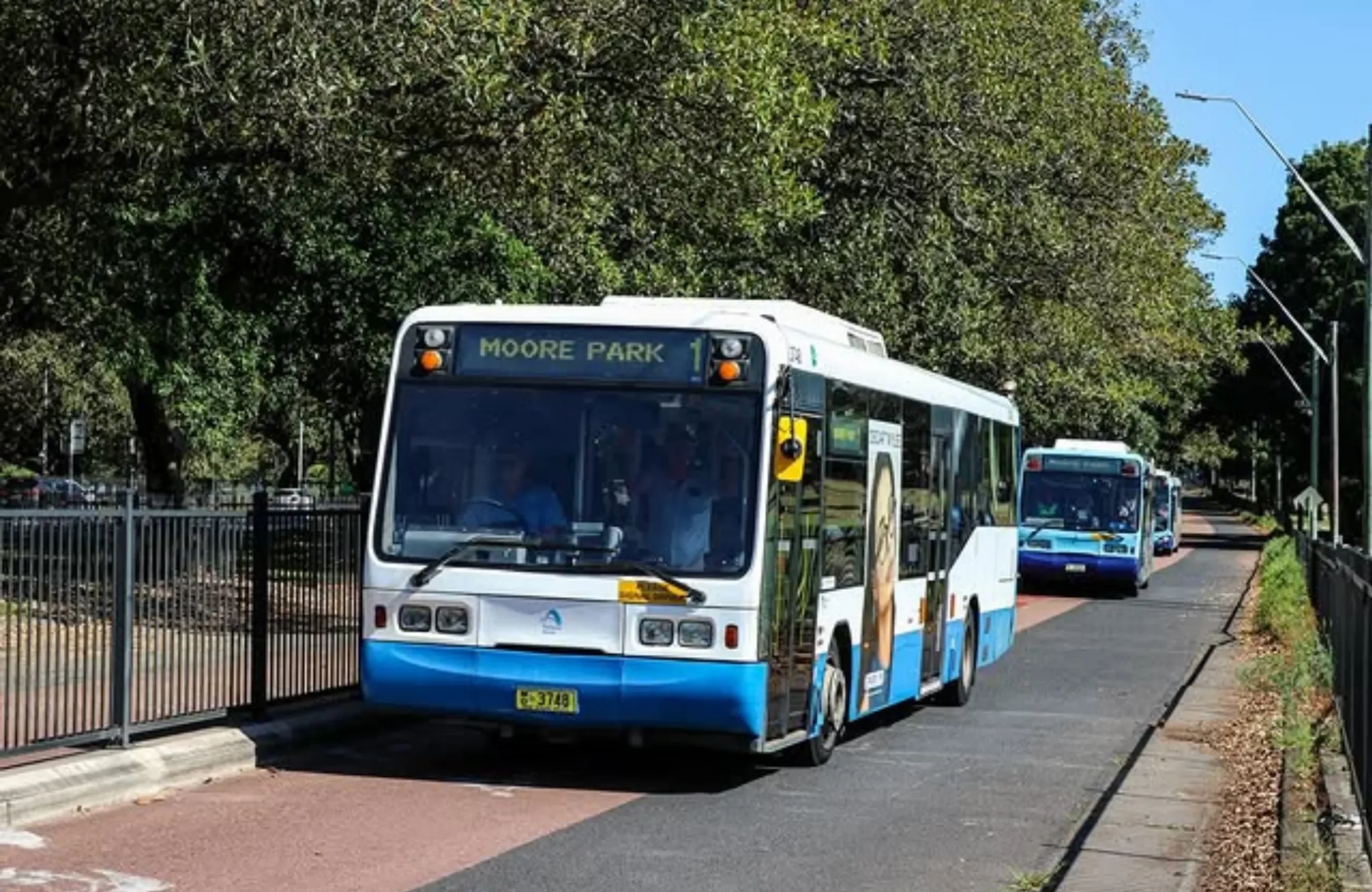
Sydney has its own daily rhythm & life is a whole lot easier if you learn to go along with it. But be warned: the crowd piles into the trains between 7 am and 9 am & 4 pm and 6 pm. It’s packed – I mean, you’ll be squashed like a sardine. If you’re prone to feeling claustrophobic, you might want to avoid these times altogether. And don’t even get me started on public holidays – especially around places like The Corso at Manly, Watsons Bay & Garden Island.
When I’m showing city-goers around, I always tell them this: if you can sort your movements for outside peak hours, you’ll feel like you’re on a secret mission. You won’t actually be outsmarting the system, but you’ll feel like it.
Choosing The Right Route For Each Neighbourhood
Sydney is basically a bunch of different worlds all stuck together – Newtown’s got its own vibe, Northern Beaches‘ got surfing, Parramatta River suburbs are all about Hunters Hill & then there’s the quiet spots along Port Hacking near Bundeena Wharf & the RSL. Each one is its own little world.
A quick rough guide:
- Inner West: Good news – it’s easy to get around here with reliable links & walkable streets.
- Lower North Shore: Watch out for hills – your legs will thank you if you’re prepared.
- Eastern Suburbs: Places are busy, but trains run fairly often.
- Western Sydney: You’re looking at longer distances, so make sure to plan your connections using the Trip Planner.
- Northern Beaches: The bus system is decent but allow some buffer time – especially if you’re heading to Palm Beach.
Don’t just assume the journey times you see online are going to be right for Sydney – GPS apps dont know about cancelled services or school traffic chaos. And if you’re planning a day trip from Sydney to a place like Watsons Bay or the Northern Suburbs, these little quirks are what it’s all about.
New Transport Links Across The City
Sydney has been slowly upgrading its transport network, & we’re expecting some big changes in 2026, though let’s just say we won’t be mentioning that year for now. The city is really pushing to make travel more reliable, more frequent & more accessible across various key routes, including places like South Mosman, Cremorne Point & Dangar Island (yes, the home of the Dangar Island Bowling Club).significant
We can expect to see a few changes in the near future:
- More regular services in the shoulder periods
- Upgrades to major transport hubs
- New bike paths and links to trails & footpaths
- More accessibility features – like extra mobility parking, braille street signs & better public toilets
Transport reform always looks great on paper, but out in the real world, it’s a different story. My advice? Just be flexible – if a route changes, go with it – don’t fight it.
Local Shortcuts That Make Your Days Run Smoother
Every Sydneysider has their own secret shortcut that they know will save them time. Some work like a charm, while others are just plain weird – but everyone uses them with an air of confidence. Through all the years I’ve been showing visitors around this crazy, beautiful city — from Rose Bay to Greenwich Point and out to Norfolk Island on the longer trips — I’ve learned what really works:
- Walk that last km. Trust me, it’s faster than waiting for a delayed train to roll in.
- Find out where the quiet carriage is. It can be a sanity-saver on a busy day.
- Avoid major interchanges when kids are out of school. You don’t want to be in the middle of chaos.
- Pack a spare phone battery. When your phone’s battery dies due to service delays, that can be a real problem.
- Check for any road works or accidents on your route before you head out. Things can change in a heartbeat.
These hacks aren’t going to make you a superhero, but they’ll make your life a little easier when you’re running late, sweating profusely, or lugging your gear through the CBD.
Sydney’s Waterfront Made Easy
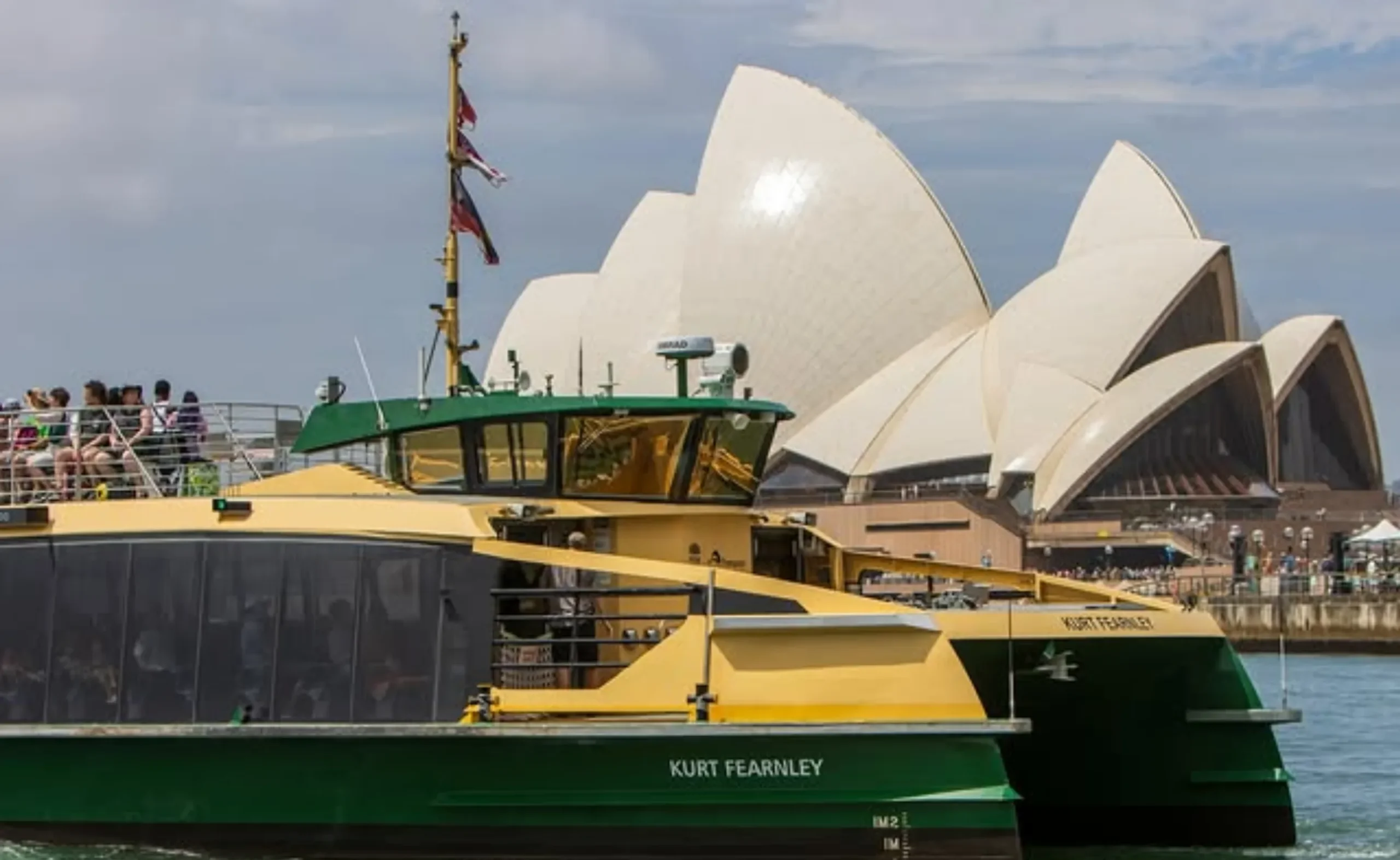
When you’re in the Harbour, you can’t help but feel like you’re in a coastal city built on the back of the sea. Whether you’re leaving from Circular Quay, Cremorne Point, Darling Point or Double Bay, you’re in for a real treat – fresh air, great views of the skyline, and a way to avoid the traffic.
But don’t get too caught up in the romance of it all – strong winds, rough waves and the odd service disruption can turn what was supposed to be a fun day out into a real headache. If you’re heading to Watsons Bay, Taronga Zoo, Mosman Bay or across to Cockatoo Island, give yourself some extra time – especially in winter when the southeast wind starts to pick up.
Local tip: if you want some peace, grab a spot on the back deck. If you’re going to take some great snaps, head for the front of the boat. And for goodness sake, bring a jacket, or you’ll end up like half the people who get caught out by the harbour winds on a summer cruise!
Making City Travel Accessible For Everyone
We’ve been working hard to make our public transport system more accessible for people with mobility issues. We’ve got step-free access, tactile signs and wide platforms coming online all the time. It’s not perfect, but at least we’re getting there. Some of the places with the best pathways at the moment are Barangaroo, Customs House and The Rocks – though watch out for the lifts, they can go on the fritz when we least expect it.
Things to bear in mind:
- Some of the older stations still don’t have great accessibility
- Before you head out, check the Accessibility Map to make sure you know what to expect
- If you’re using a mobility device, the busiest routes can be a real challenge
- The newer stations and interchanges tend to be a lot easier to use, with more apparent signs and smoother transfers
It takes time to get the transport system sorted out, but at least we’re moving in the right direction for people who need a bit of extra help.
Honest Lessons From Sydney’s Tracks
After all the years spent on the road – in the Pilbara’s dusty heat and the Blue Mountains – I’ve come to learn that cities are a lot like those outback roads: the smart way to travel is to respect their limits. Sydney can be a bit unpredictable, but once you start to figure out its rhythm and where to avoid, you can start to make the most of the unwieldy days.
This place you’ll find is actually pretty rewarding when you keep your wits about you, are prepared to be flexible & throw in the odd bit of legwork here and there, don’t get too worked up over a bit of a hold up and are willing to treat it like a living breathing creature rather than a clockwork machine, well then you’ll find that your days unfold quite a bit more smoothly.
FAQ
Yes, if you get to grips with its layout and when peak-hour madness is likely to kick in. Having a tool like Trip Planner handy will be a godsend.
Do you need an Opal card to use public transport?
You can use a Transport card or tap with a credit/debit card. Just keep an eye out for caps and any extra charges you might incur.
Is city travel safe at night?
Generally yes. Just stick to well-lit areas around Circular Quay, The Rocks and the CBD and use a bit of common sense – i.e., avoid the completely deserted side streets late at night.
What’s the best time of day to travel?
Mid-morning or mid-afternoon is your best bet. Early morning and late afternoon are a nightmare, with most traffic congestion then, especially if you’re taking ferries to Watsons Bay or Taronga Zoo.
Are Sydney’s public transport options reliable?
Most of the time, but delays do happen from time to time – especially on public holidays or bad weather days when the Parramatta River ferries get knocked about. Best to check the live updates to be on the safe side.