Where Are the Best Places for Stargazing Near Darwin?

Most Darwin locals reckon they know their own backyard, but where are the best places for stargazing near Darwin? becomes a surprisingly big question once you start looking for a proper night sky free from light pollution. I’ve spent years putting up with endless ask-me-anything from weary travellers all over the NT, watching the Milky Way melt across the Southern Hemisphere like a great big river of twinkling lights – and yet Darwin still manages to deliver the goods when it comes to casual stargazing without you needing to go all out & opt for a proper astronomy tour or get yourself lost in the Red Centre for the night.
Out here in the Top End, the celestial landscape is like a never-ending firework display – nothing is whispered, it’s all shouting & whistling, & you’ll be spotting the Southern Cross, the two big Magellanic Clouds, and entire galaxies of celestial wonders – the kind of things that can leave a city kid speechless from sheer amazement. And don’t forget to pack your mosquito repellent – you’ll need it.
Contents
- 1 Why the Top End Has Incredible Night Skies
- 2 Best Stargazing
- 2.1 Lee Point: The Easy After-Dinner Option
- 2.2 Berry Springs: Warm Nights, Clear Skies, Easy Going
- 2.3 Howard Springs Pine Forest: A Genuine Dark-Sky Pocket
- 2.4 Fogg Dam Conservation Reserve: Dark Skies and Wildlife Galore
- 2.5 Dundee Beach: Where the Galaxy Meets the Gulf
- 2.6 Litchfield National Park: The ‘Big Night Out’
- 3 Comparing Stargazing Spots Near Darwin
- 4 Local Hacks to Get the Most Out of the Night
- 5 Seasonal Realities to Know
- 6 Tips for Safe Night Travel Near Darwin
- 7 FAQ
Why the Top End Has Incredible Night Skies
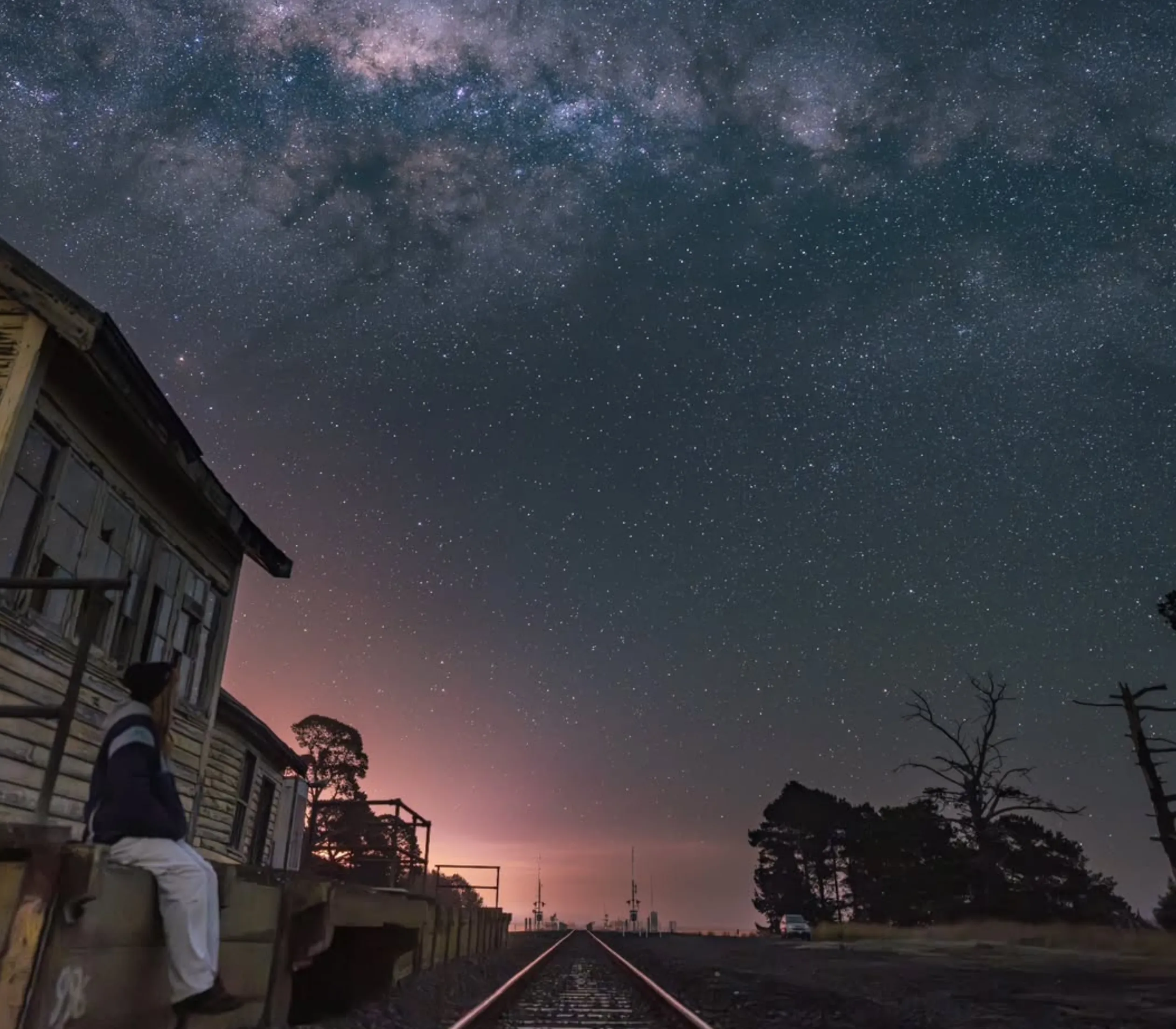
If you can believe it, the NT night sky has its own stories to tell – especially when the Dry season rolls around, and humidity drops & the city is way behind you. That’s when all the hidden treasures of the night sky – globular clusters, dark nebulae, all those bright constellations that have been hiding behind the lights – all start shining like they’ve been waiting all year for someone to come and appreciate them. You don’t need some fancy telescopes; a decent swag to sleep in, a laser pointer, and a Night Sky Map will do the trick.
This bit of Territory is just far enough north that we don’t get the Aurora Australis. Still, the clarity when we do get those Dry-season nights is simply unbeatable – it’s got to be up there with other great spots like around Uluṟu-Kata Tjuṯa National Park or the Earth Sanctuary near Alice Springs. And you’ll still be able to catch all the usual meteor showers lighting up the night sky when the moon is out of the way.
Best Stargazing
The Top End makes stargazing easy to get into: you don’t have to head deep into the Outback to find the kind of darkness that lets you really see the Milky Way up close. Within an hour of the CBD, you can get to places where the Milky Way feels almost like you could reach out and touch it, and the Southern Cross hangs low over some of the most beautiful country you’ll ever see – all quiet, still and properly wild.
Lee Point: The Easy After-Dinner Option
Lee Point‘s the closest place to escape Darwin’s light pollution without having to pack up for the night. It’s not a Dark Sky Park, but the contrast between here and the city is striking – you can see it the second your eyes adjust. If the tides behave themselves, it’s a great place to grab a spot on the sand and gaze up at the Southern Cross as it moves across the sky.
You’ll still see a pretty big sweep of the Milky Way, and if there’s a strong meteor shower, it’s a great spot to catch the western horizon over Darwin Harbour as it puts on a show.
Berry Springs: Warm Nights, Clear Skies, Easy Going
Berry Springs is just far enough out from the suburbs to cut down on the worst of the city’s artificial glow. On a moonless night, the moon phases make a huge difference here – try to go when the moon’s new and the sky will darken right up, and you can see all sorts of faint star clusters and even the Large Magellanic Cloud as a smudge.
It’s an excellent spot for beginners with small scopes or for people who want to see a telescope in action. There are binocular-friendly telescope tours and regular public stargazing nights that are open to everyone.-friendly telescope tours that often run as part of casual community public stargazing nights.
Howard Springs Pine Forest: A Genuine Dark-Sky Pocket
The Howard Springs Pine Forest blocks much of the urban light pollution, creating an apparent view of the night sky when the planets are high. It’s perfect for astrophotographers because the tree line serves as a natural shield against light pollution.
Mobile reception drops out pretty quickly, so make sure you’ve got your Interactive Night Sky Map on your phone before you head out. When the Milky Way is directly above you, you can see the core and even pick out dark nebulae without having to strain your eyes.
Fogg Dam Conservation Reserve: Dark Skies and Wildlife Galore
Fogg Dam Conservation Reserve is like standing in a natural amphitheatre just made for stargazing – the wetlands with its mirrored water creates a really striking contrast that helps you see all the bright clusters and the movement of celestial objects across the sky. I’ve met loads of groups out here with Autopia Tours, and their guides know just the right places to take you for a stress-free night under the stars.
The boardwalk closes at night, but you can still pull up on the roadside and get a really great spot for stargazing – make sure to stay away from the water – even if it’s a long way off, you’ll be glad of the extra care when it comes to your deep sky telescope – and the crocs for that matter…
Dundee Beach: Where the Galaxy Meets the Gulf
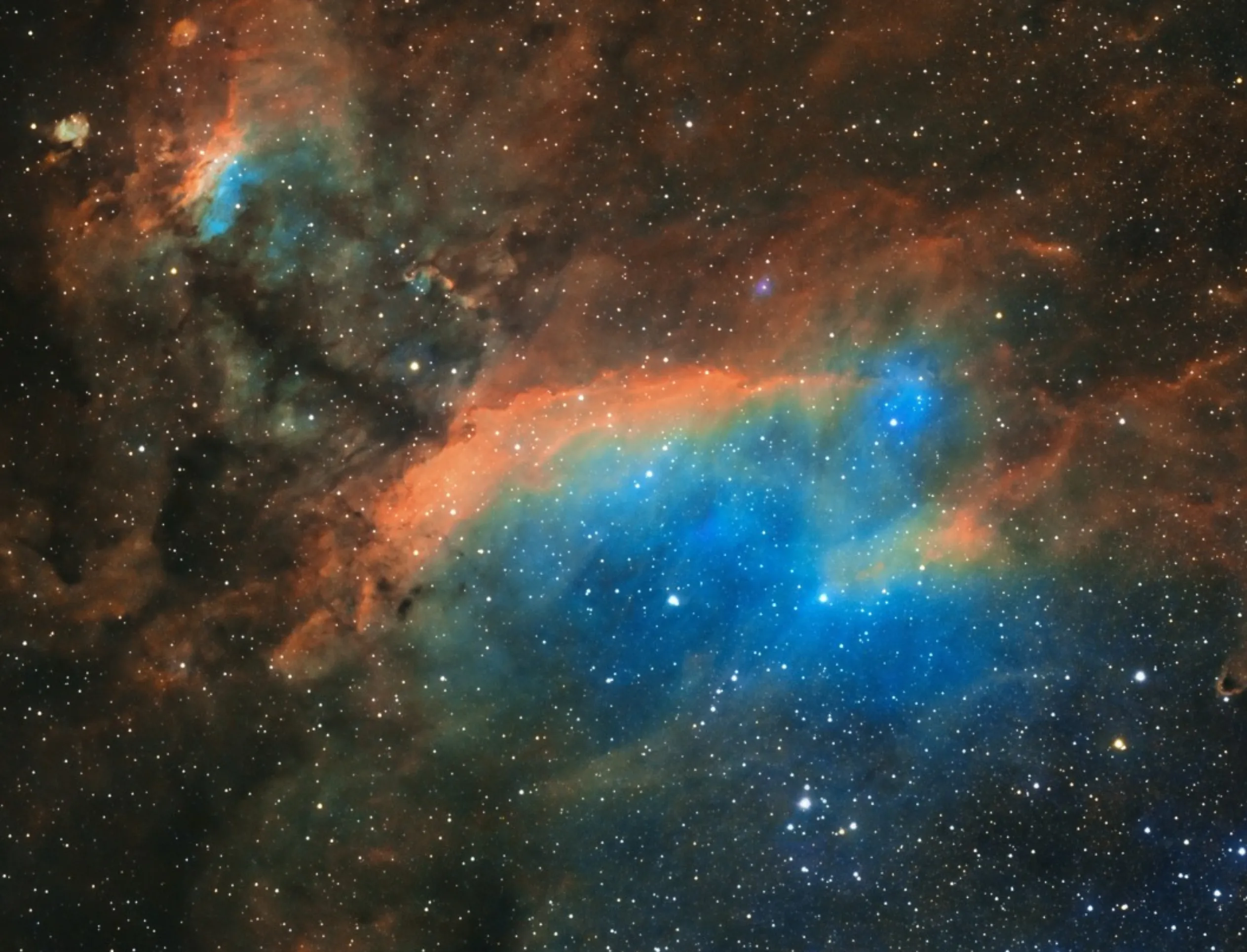
The drive out to Dundee Beach is a long one, but the moment your eyes adjust to the darkness, all that effort pays off. With virtually no light pollution to interfere, the southern arc of the Milky Way steps up and shines its lights right over the Gulf. I’ve sat out the back of the dunes there and watched in awe as globular clusters and the arc of Alpha Centauri just suddenly appear like spotlights stabbing down at the night.
This is also one of the top spots for casual stargazing – those astronomy tours that don’t need a heap of gear to show you the show. The southern horizon‘s just that clear.
Litchfield National Park: The ‘Big Night Out’
Litchfield National Park‘s campgrounds are right up there among the darkest places you can get to within a quick 90 minutes of Darwin. Once the generators have wound down, the whole sky opens up like a big ol’ open-air theatre. If you know where to look, you might spot the Tarantula Nebula and the Magellanic Clouds dancing above the treetops.
It’s not officially certified as an International Dark Sky Sanctuary. However, it’s still got some of the best stargazing you’ll find out in the remote areas of inland Australia – rivalling a lot of those outback sky journeys that people travel across the country to see.
Comparing Stargazing Spots Near Darwin
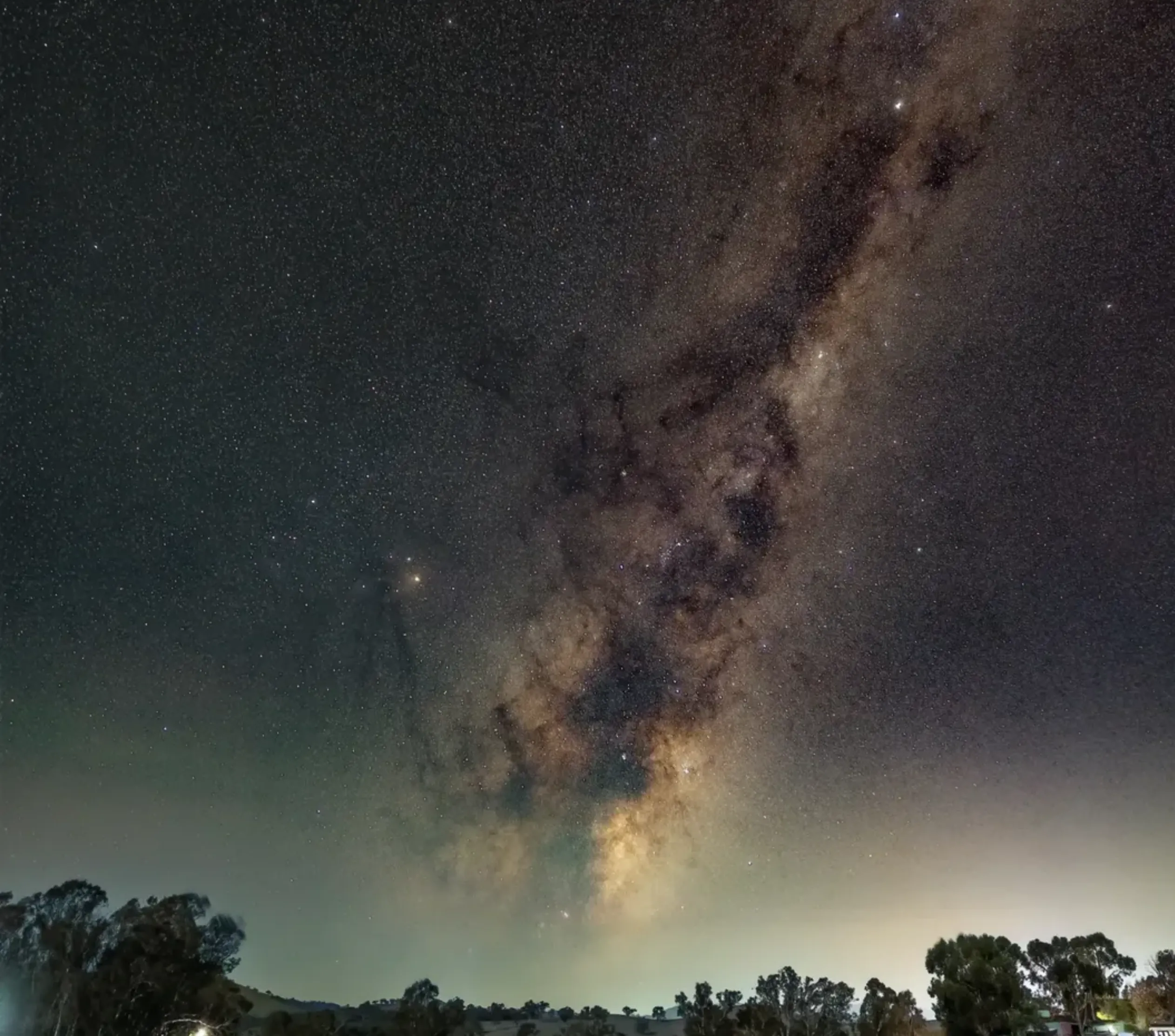
Here’s a quick reference table to help you choose your night base:
| Location | Distance from Darwin (approx.) | Light Pollution Level | Best Season | Safety Factors |
|---|---|---|---|---|
| Lee Point | 20 min | Moderate | Dry | Tides & croc awareness |
| Berry Springs | 40 min | Low–Moderate | Dry | Mozzies, low lighting |
| Howard Springs Pine Forest | 30 min | Low | Dry | Muddy tracks, weak reception |
| Fogg Dam | 45 min | Low | Dry | Crocs, insects |
| Dundee Beach | 1 hr 40 min | Very Low | Dry | Tides, dune safety |
| Litchfield NP | 1 hr 20 min | Very Low | Dry | Rapid weather shifts |
Note: The NT isn’t actually an officially designated Dark Sky Reserve, but several locations perform just as well according to the 2024 light pollution models.
Local Hacks to Get the Most Out of the Night
Even when the conditions are perfect, a good night under the stars can still depend on some prep. Here are some tips that I’ve picked up after years of trial and error – not to mention that one memorable evening when my torch died just as I was trying to point out Alpha Centauri to a group of travellers we’d met on a local van sharing platform:
- Use a torch with a red light — that way you’re not pumping out loads of white light and ruining your night vision, and you can still spot those faint globular clusters.
- Freeze some water bottles — they’re great at keeping you cool when the humidity’s clinging.
- Check the moon phases before you head out — a full moon basically wipes out half the sky, so it’s not ideal for stargazing.
- Reclining chairs are always a better bet than standing up all night – it takes a load off your neck, and you can actually relax.
- Only bring a laser pointer if you know how to use it responsibly — and don’t even think about shining it at any aircraft.
- Be croc-wise, especially if you’re near any wetlands.
Seasonal Realities to Know
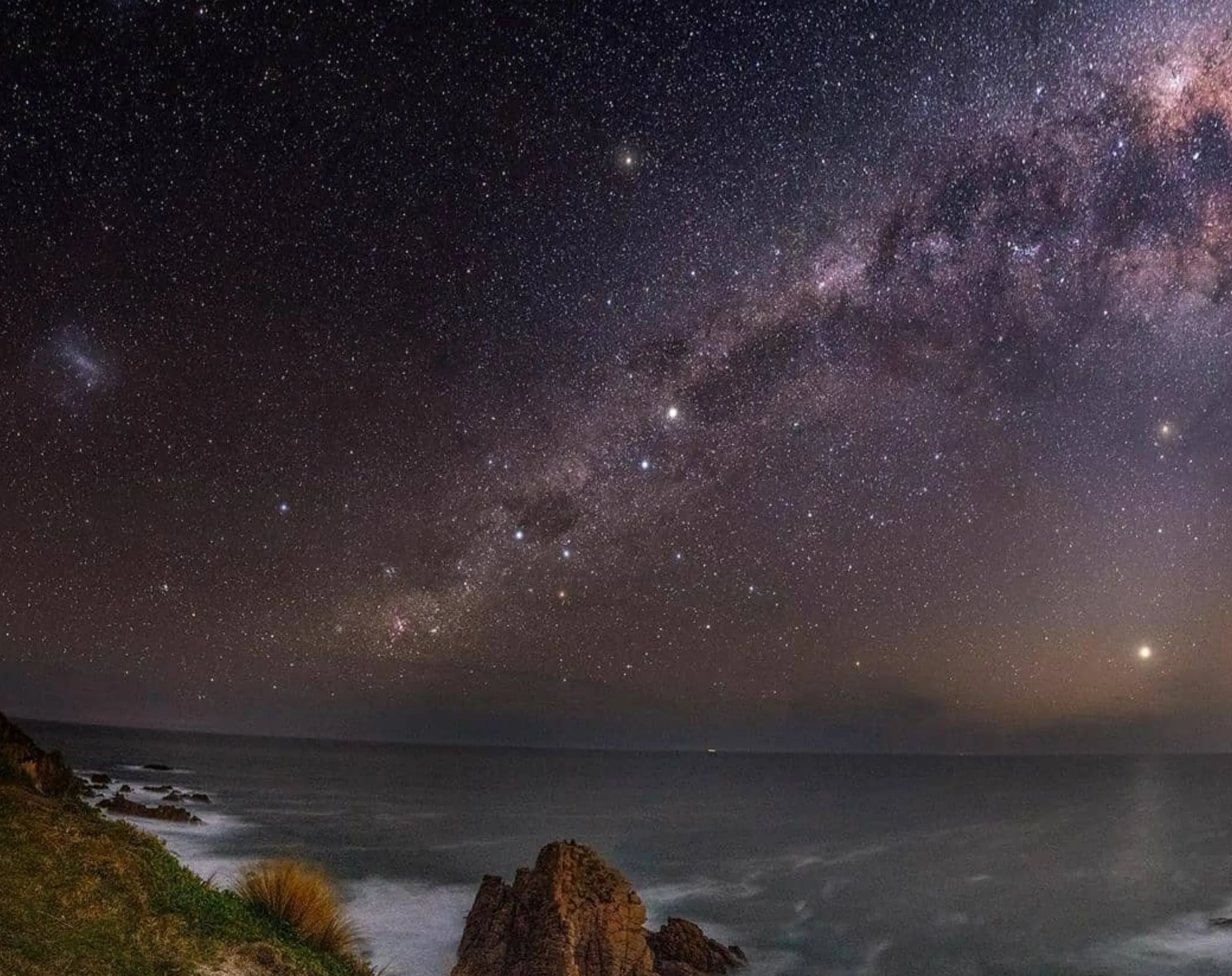
During the dry, the air’s nice and clear, so celestial bodies are a lot easier to spot, and you can follow the Milky Way without getting interrupted by clouds. Even the faint star clusters are visible.
But during the Wet, things get a lot more complicated – lightning storms can make for a pretty spectacular show, but they’re no help if you’re trying to do some stargazing. You might get lucky and catch a break in the cloud, but tracking celestial objects becomes a real patience game. And to be honest, the roads can get pretty rough or even get cut off.
Tips for Safe Night Travel Near Darwin
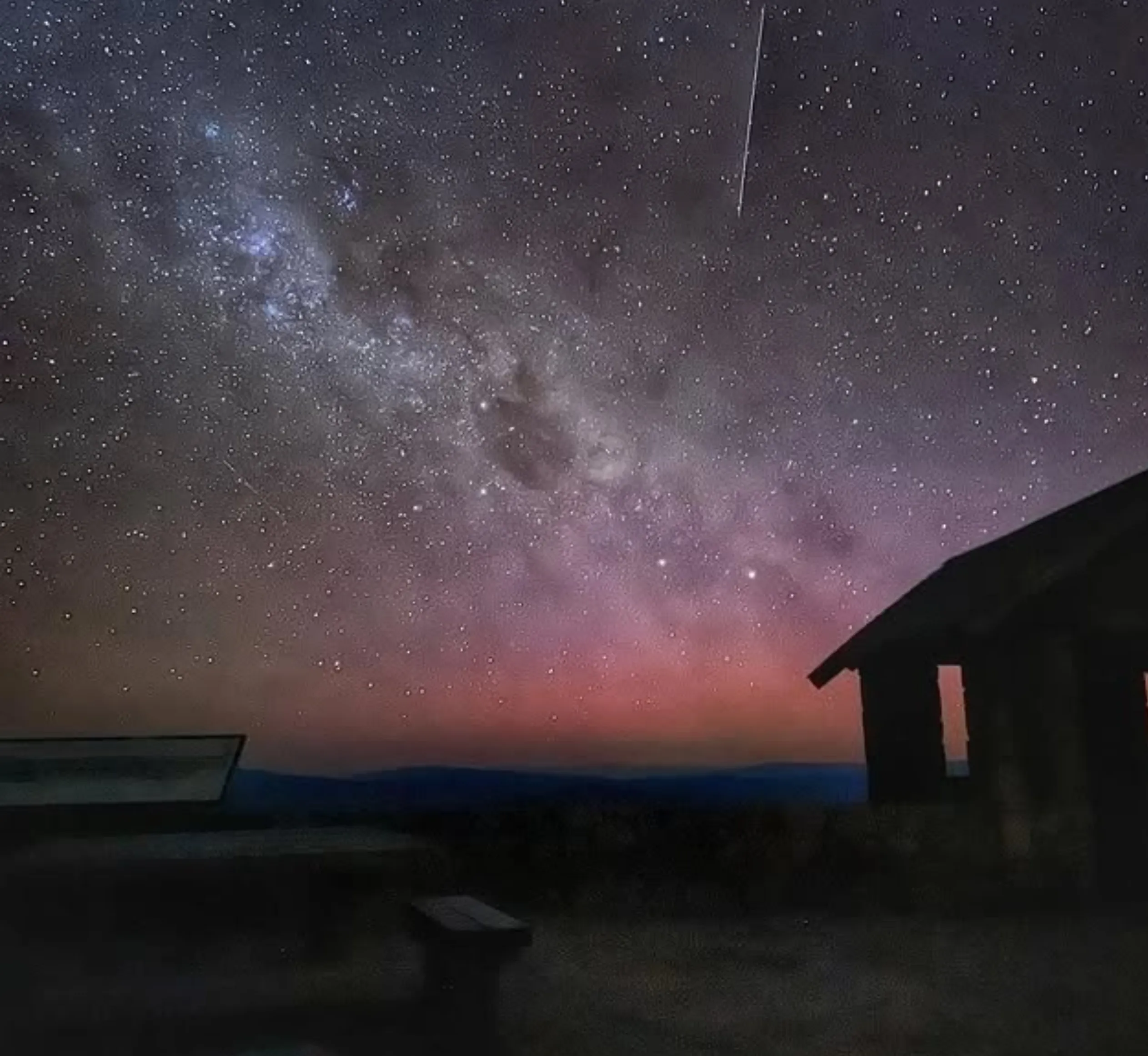
Night travel in the NT has its own set of rules. I’ve met loads of travellers on their Darwin trips who underestimate just how busy the roads get after dark, especially with all the wildlife moving around on the bitumen.
- Wildlife can pop out of nowhere, which is why you need to keep your eyes on the road.
- Avoid water edges at all costs – you don’t want to be taking a chance with any crocs if you can help it.
- Pack a proper map – your phone’s reception will probably be patchy at best.
- Make sure someone knows where you’re going if you’re heading off into the bush on your own.
FAQ
Can you see the Southern Cross and Magallanes Clouds near Darwin?
Yeah, they’re definitely visible – they’re some of the brightest features in the Southern Hemisphere, and you can still spot them even when there’s a bit of haze in the air.
Can you see the Aurora Australis from the Northern Territory?
No – the Southern Lights are way down south, so you won’t be able to see them here. But the NT has some amazing clear skies, especially with the Milky Way.
Are there any astronomy tours around Darwin?
Yes – there are a few local operators who run telescope tours, astronomy tours, and even just casual public stargazing nights during the Dry.
Do you need special equipment?
Not at all – binoculars or a small deep sky telescope can help you see a bit more detail, but you can still spot loads of stuff with just your naked eye.
What’s the best tool for beginners?
There’s a free Interactive Night Sky Map app that’s a total game-changer if you’re new to stargazing – it makes it really easy to find your way around the constellations.