Do You Need A Patch Test For Pigments Or Numbing Agents?

Hi, I’m Olha Po, and this is something I get asked about by clients in my Melbourne studio about once a week. Whether you’re new to cosmetic tattooing with Olha Po and semi-permanent makeup or you’ve already had a cosmetic tattoo and are looking to get the lowdown before your next treatment, people always want to know about patch testing during the consultation.
At my studio, Face Figurati, I try to keep things as straightforward and real as possible – no trying to scare you with horror stories, no making promises we can’t keep and no jargon. Patch testing is actually really helpful for some people, but totally unnecessary for others. So let’s have a look at what really matters, what the science says and when I genuinely think a PMU patch test is a good idea based on your skin type and how sensitive you are.
Contents
- 1 Do You Need A Skin Check First?
- 2 Why A Quick Skin Check Helps Some Clients
- 3 Pigments: What You’re Actually Being Tested For
- 4 A Real Studio Scenario
- 5 How Numbing Agents Behave On Sensitive Skin
- 6 What A Skin Sensitivity Check Can And Can’t Predict
- 7 How We Test Products Safely In The Studio
- 8 Common Myths
- 9 Who I Recommend A Skin Sensitivity Check For
- 10 How To Prep Your Skin Before Any Cosmetic Tattoo
- 11 FAQ
- 11.1 Is patch testing required before permanent makeup?
- 11.2 Does a patch test guarantee I won’t react during the healing process?
- 11.3 What if I’ve already had cosmetic tattooing before?
- 11.4 Should I patch test the numbing cream, too?
- 11.5 How far in advance of my appointment should I book a patch test?
Do You Need A Skin Check First?
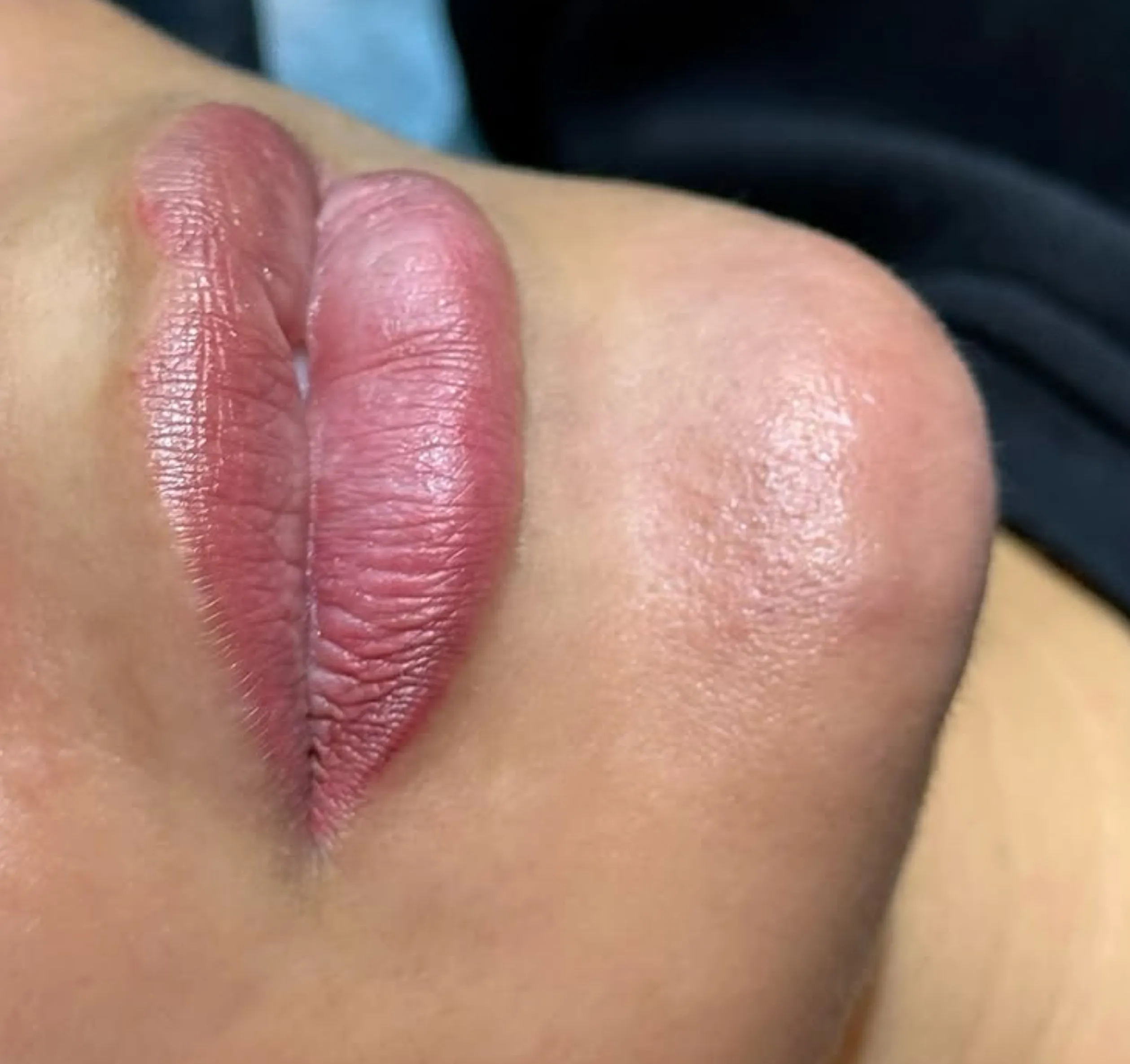
Before we get into all the details – here’s the straight-up truth:
Patch tests are good for spotting possible allergic reactions, but they’re no guarantee, and they’re not actually required by law in Australia for tattoo pigment, tattoo ink or numbing cream used in permanent cosmetics.
Most irritation people get after a cosmetic tattoo comes from the healing process itself, aftercare products, just naturally sensitive skin or environmental things like sun exposure – not the pigments. But for people who know they have sensitive skin, have had problems with tattoos before, or have a skin condition, a patch test can give you a bit of extra reassurance before you go ahead with a treatment that’s going to be sitting in your skin for a long time.
Why A Quick Skin Check Helps Some Clients
Melbourne’s weather can be pretty temperamental, and it can make sensitive skin behave in some pretty unpredictable ways – especially when you’re healing. For some people, a patch test offers a bit of peace of mind and gives me the chance to adjust my PMU technique to get the best results for their skin type right from the start.
I usually recommend a patch test for people who:
- Has reacted to tattoo inks, dyes, lash tint, or pigment-based beauty and permanent makeup treatments
- Has very sensitive skin or a history of dermatitis
- Has experienced irritation from numbing cream before
- Has autoimmune conditions affecting skin healing
- Has had complications during previous cosmetic tattooing
- Is prone to cold sores before lip blush (with GP clearance needed)
- Has undergone tattoo removal and may have scarred or reactive tissue
Patch testing isn’t about being dramatic – it’s just about making sure we use the safest approach for your skin type and achieve the best long-term colour retention.
Pigments: What You’re Actually Being Tested For
Today, cosmetic tattoo pigments are made up of super-refined ingredients. At my studio – like a lot of other good ones – we always try to choose hypoallergenic pigments. However, if a person is unlucky enough, even the best compounds can cause a reaction.
A simple patch test can help identify whether someone has a sensitivity to one or more of the following:
- Iron oxide or carbon-based tattoo pigment
- Titanium dioxide
- Other stabilisers in semi-permanent makeup formulations
- Ingredients that may trigger an allergic reaction in very reactive skin types
A Real Studio Scenario
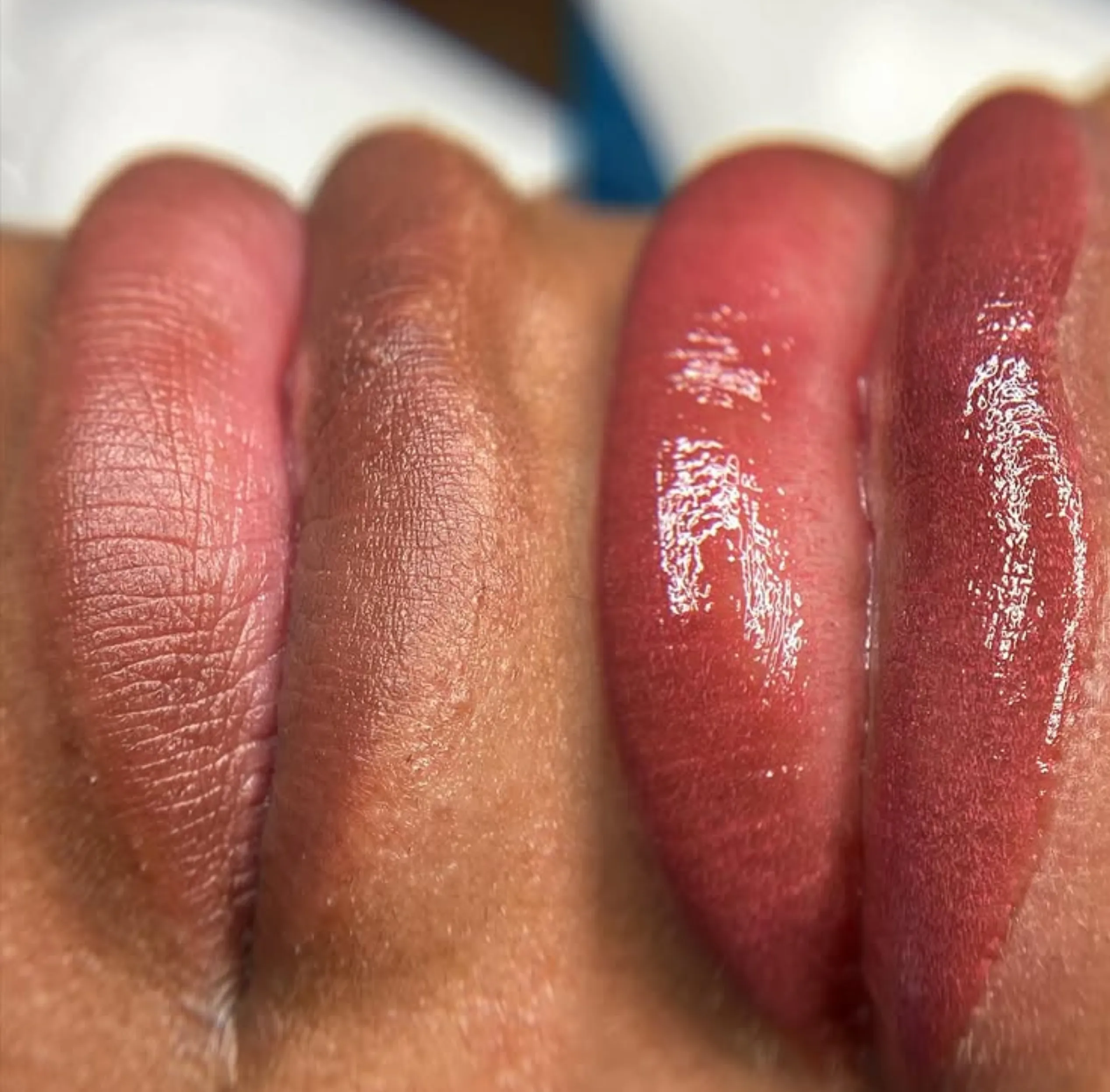
We had a client come to Face Figurati after she had a bad reaction to a brow tint at somewhere else. Obviously, she was worried about getting permanent cosmetics. So, we did a patch test on her for both the pigment and the numbing cream. As it turned out, her skin was just fine with the pigment, but she was having flares because she had used a pretty harsh aftercare product. Once we changed her over to a gentler cream, her brows healed beautifully after we redid them.
That’s why getting a patch test done that’s tailored to your individual needs really matters – it rules out all the guesswork.
How Numbing Agents Behave On Sensitive Skin
The local anaesthetics you use in PMU treatment – stuff like lidocaine, tetracaine, or benzocaine – are super rare to have a full-blown allergy to. But irritation can still happen.
If you’ve ever had a reaction to dental anaesthetic or to one of those numbing gels you can use before getting waxes, you might want to do a patch test with the numbing cream we’re going to use. Most of the time, reactions aren’t allergies; it’s just because the product irritates skin that’s already been broken, usually at your re-touch appointment.
A patch test will tell us whether your skin might need something a bit gentler or less of it to avoid a reaction.
What A Skin Sensitivity Check Can And Can’t Predict
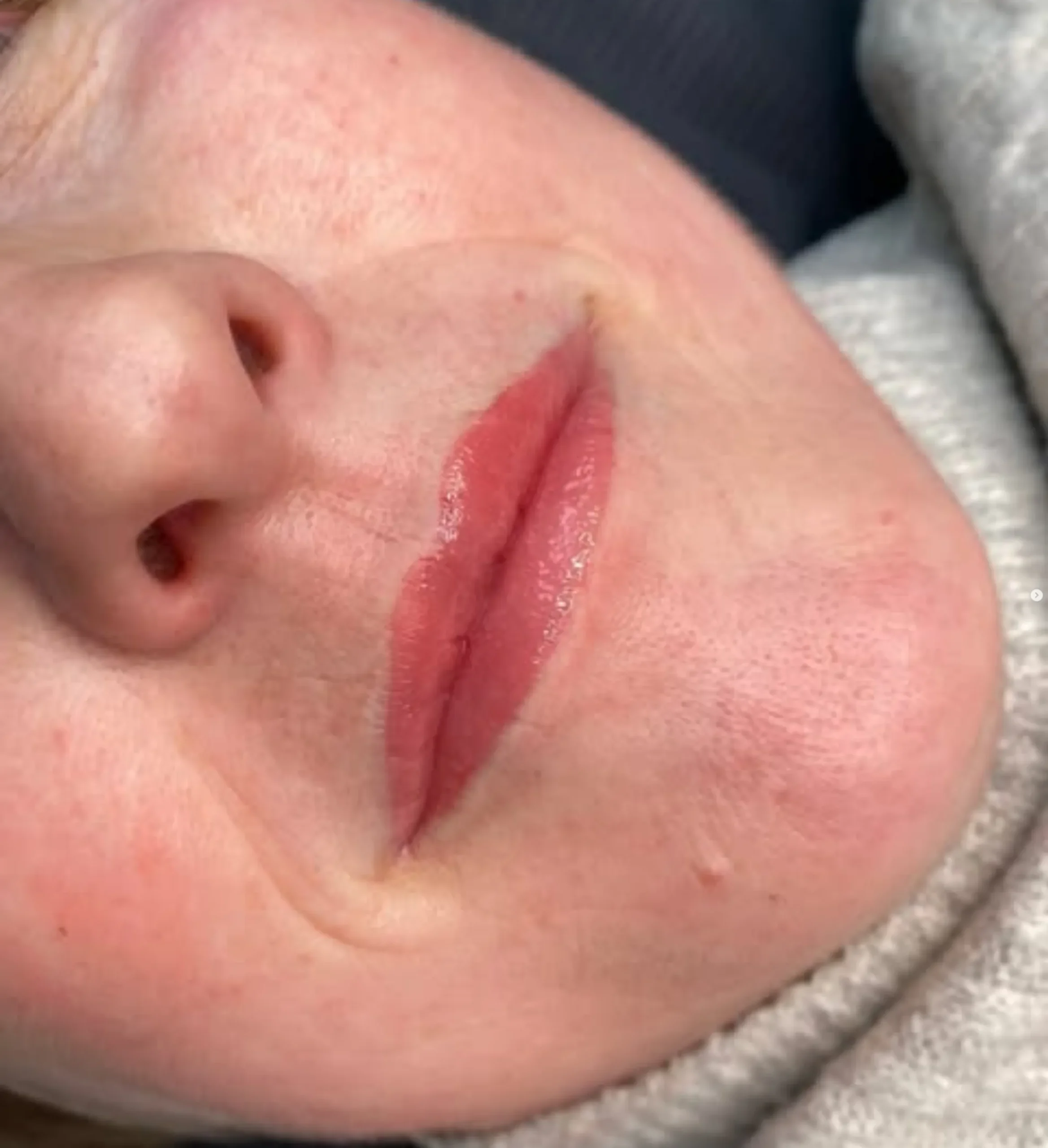
A patch test will help us figure out whether you’re likely to have a reaction, but it can’t predict everything.
What They Can Predict
- If you’re definitely going to have an immediate allergy
- Any acute irritation – that is, irritation that kicks in right away
- If you’re not going to be able to handle the numbing cream we use
- Whether we need to modify our PMU techniques for your skin type
What They Cannot Predict
- Any delayed reactions to the tattoo healing process
- Issues caused by you using the wrong aftercare products
- Whether your colour will hold well over time
- How well your skin will hold up to sun protection – stuff like that
| Patch Test Checks For | Accurate? | Notes |
|---|---|---|
| Immediate allergy | Yes | Useful for sensitive skin clients |
| Delayed allergy | Partially | May appear 48–72 hours later |
| Pigment retention | No | Depends on skin type and aftercare |
| Numbing cream tolerance | Yes | Helpful for anxious clients |
| Long-term colour behaviour | No | Influenced by sun protection + lifestyle |
How We Test Products Safely In The Studio
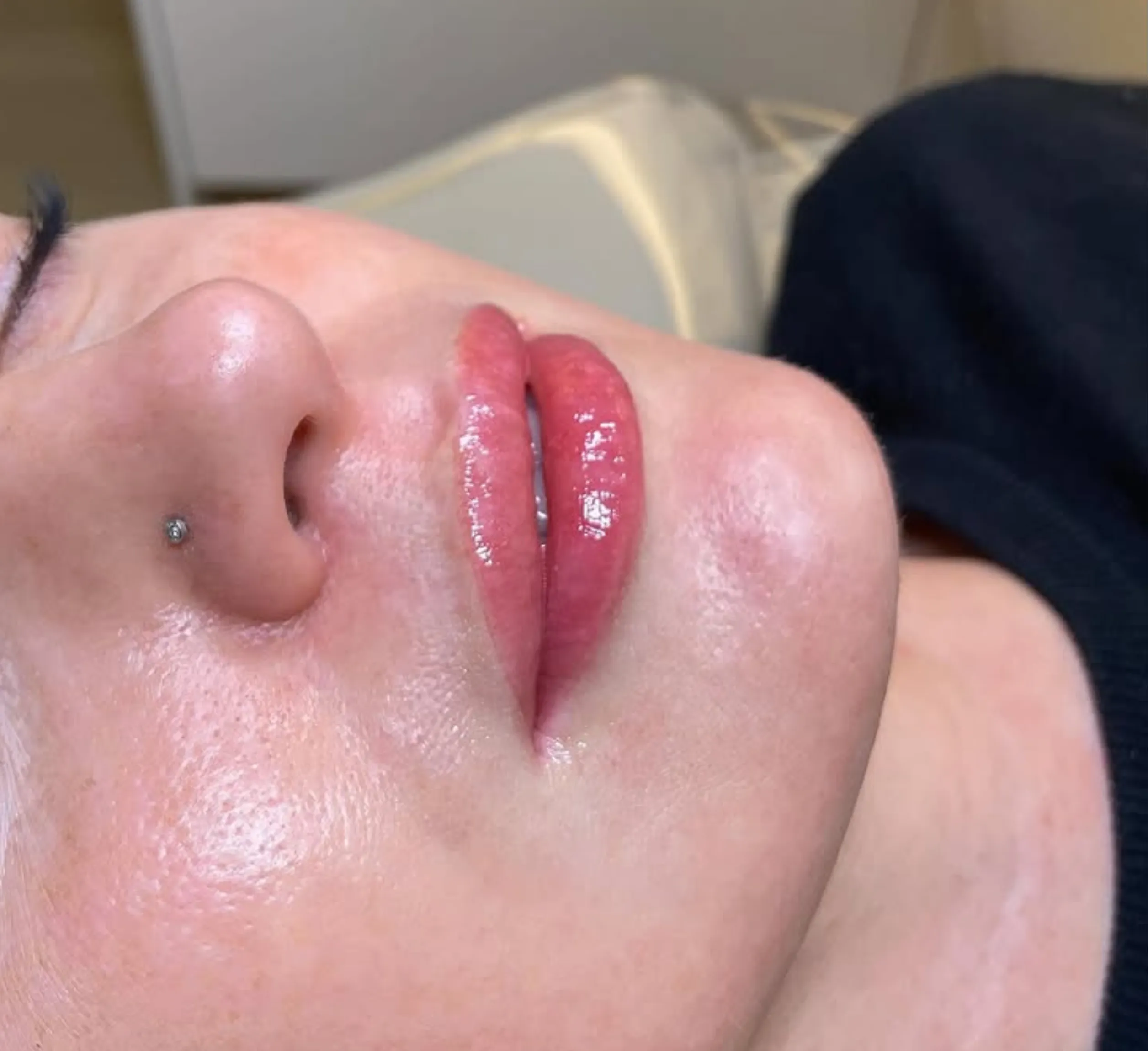
Here’s how we conduct patch testing at Face Figurati before we go ahead with any cosmetic tattooing procedure – whether you’ve booked in with us directly, or you’ve come across us via Cosmetic Tattoo Melbourne:
Step 1: Consultation Process
- Figuring out your skin type and what that means for us
- What’s gone on medically with you in the past
- Any previous treatments you’ve had (that’s useful to know)
- What gear and needles will we be using for your service
- And we also cover off on specific risks such as cold sores for lip blush (because yeah, that can be a problem)
Step 2: Apply Pigment or Numbing Agent
We apply a tiny dot on the inside of your arm or behind your ear to test out some tattoo ink or numbing cream.
Step 3: Monitoring And Follow-Up
We keep an eye on the test area for 24-72 hours, and if you could take a photo or pop into the studio and show us how it’s going, that’d be great.
Step 4: Review Outcomes
If your skin behaves as we’d expect, we’re good to go with the treatment. If it doesn’t, we adapt our PMU techniques, swap to hypoallergenic pigments, or avoid specific formulas altogether.
Common Myths
“Patch Testing is Overkill”
The thing is, most people never have an allergic reaction, even if they don’t patch-test.
“Patch Tests are a Guarantee”
Not exactly – we can reduce the risk of complications, but we can’t eliminate it entirely.
“All Tattoo Artists use the Same Stuff”
Not true – the quality of ingredients varies like crazy, which is why I only use pigments that are designed for permanent makeup and are safe for semi-permanent procedures.
“Numbing Cream Swelling = Allergy Right?”
Actually, it’s often just irritation from broken skin, not the ingredient itself.
“A Patch Test means Smooth Sailing from Here On In”
Actually, healing depends on a bunch of things – like what aftercare cream you use, how you look after yourself, and sun protection – not just the test itself.
Who I Recommend A Skin Sensitivity Check For
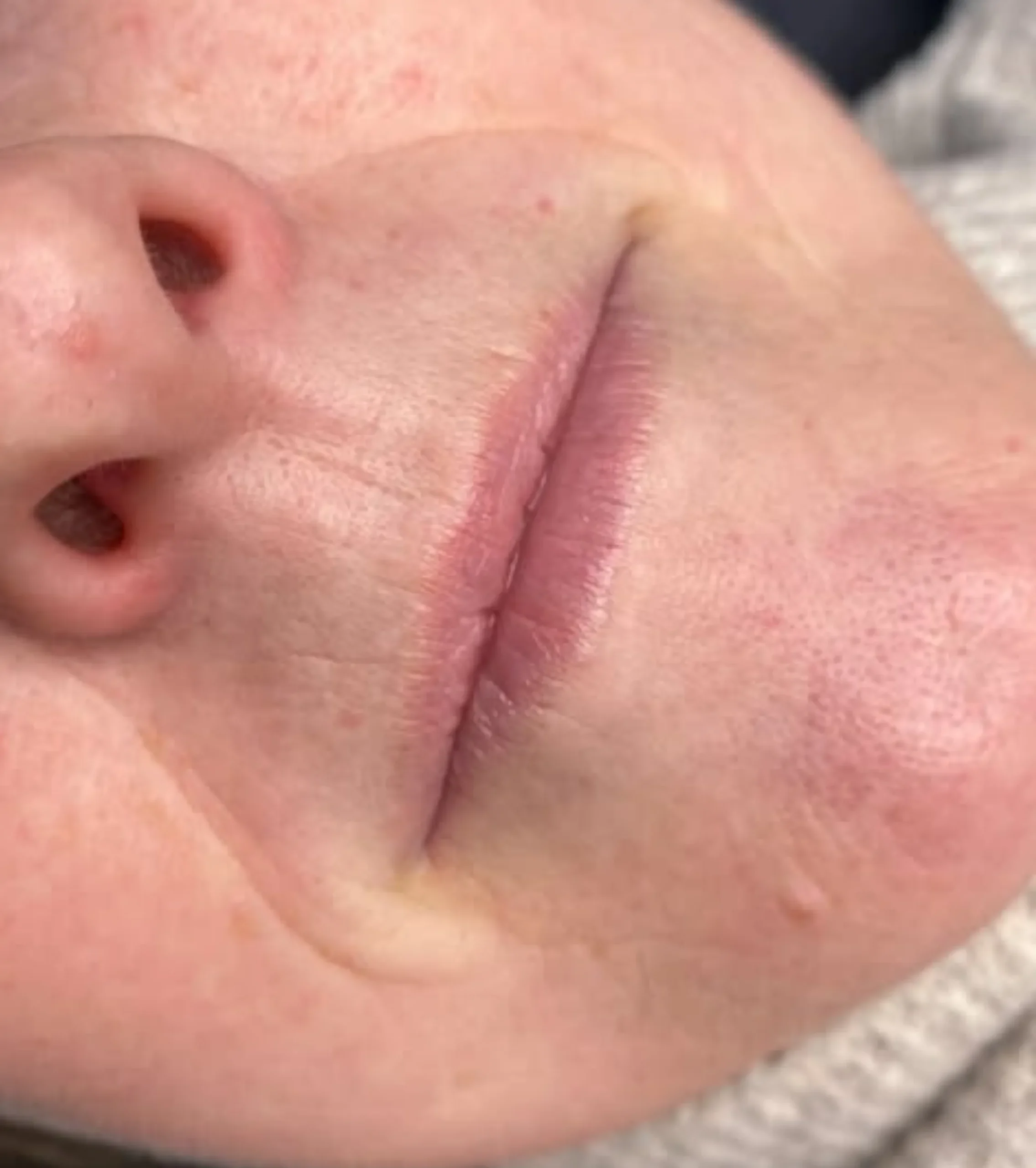
I strongly believe you should do a patch test on a client if they have:
- Super sensitive skin that always seems to be on edge.
- A history of having allergic reactions to just about everything – including pigments and numbing creams.
- Ongoing dermatitis or eczema that just won’t seem to clear up.
- Very reactive lips that are prone to those pesky cold sores – especially if they’re getting a lip blush treatment.
- Skin that’s been compromised from a previous tattoo removal.
- Or if they’re just worried about how their skin will heal or how the colour will turn out.
These patch tests help us create some predictability and safety for those long-term results you want from your cosmetic tattoo in Cosmetic Tattoo Melbourne Studio.
How To Prep Your Skin Before Any Cosmetic Tattoo
- Don’t use any retinol or exfoliating acids for 7 whole days beforehand.
- Try to stay out of the sun for a bit – it screws with the healing and pigment retention big time.
- Stop taking fish oil and vitamin E for 2 days before the treatment.
- Give the booze a miss for 24 hours beforehand.
- Just make sure the area is squeaky clean and well moisturised.
- Don’t try any new aftercare products right before treatment.
- If you’re prone to cold sores, make sure you’re taking your prescribed antivirals as directed.
All this prep work will help keep your skin strong right through the healing process and any re-touch appointments.
FAQ
Is patch testing required before permanent makeup?
No. It’s optional, but I really think it’s worth doing, especially if you’ve got sensitive skin or are worried about allergies.
Does a patch test guarantee I won’t react during the healing process?
Unfortunately, no. While it reduces the risk, it’s no guarantee you won’t have a delayed reaction.
What if I’ve already had cosmetic tattooing before?
If you’ve used the same products and pigment formulas in your previous tattooing experience and your skin type hasn’t changed, then you probably won’t need to do a test. Unless, of course, your skin type has changed, in which case, yeah, go ahead and do a test.
Should I patch test the numbing cream, too?
Absolutely yes – especially if you’ve had a bad reaction to dental anaesthetic or any other kind of topical anaesthetic.
How far in advance of my appointment should I book a patch test?
Ideally, you should try to book it 2-3 days before your appointment.