Is There a Rock Bigger Than Uluru?

Uluru Isn’t the Biggest Rock in Australia (Yep, Really)
Ask any Aussie or tourist to name Australia’s biggest rock, and nine times out of ten, they’ll say Uluru. Fair enough, too — that iconic red monolith rising from the flat desert of the central desert is nothing short of legendary. But here’s the corker: Uluru isn’t the biggest rock in Australia. Not even close.
The real titleholder? Mount Augustus, or Burringurrah, is way out in Western Australia’s Gascoyne region. It’s the largest rock on the continent — twice the size of Uluru and with a heck of a lot less foot traffic. So if you’ve ever wondered whether Uluru is the biggest rock down under — or if you’re planning an epic road trip that goes beyond the brochure circuit — buckle up. We’re diving into dusty roads, creation stories, and the logistics of visiting the real rock giant.
Contents
Size, Facts & Surprising Details
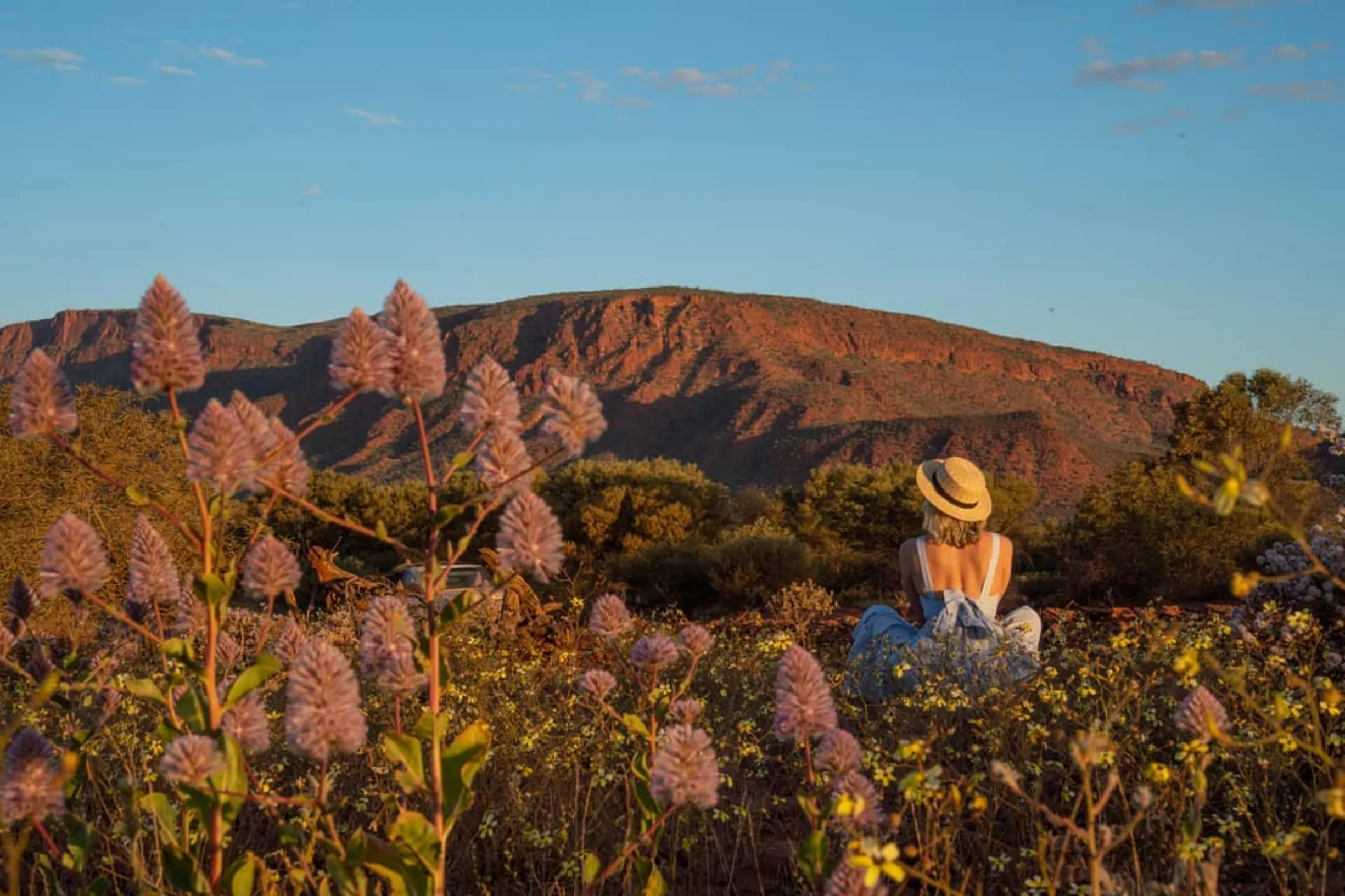
Mount Augustus is a massive rock formation — and when I say massive, I mean nearly twice the size of Uluru. It rises about 715 metres above the surrounding base rock plain and stretches for 8 kilometres in length. To compare, Uluru rises 348 metres and is about 3.6 kilometres long. At its widest, Mount Augustus spans several kilometres, a central ridge of ancient rocks dominating the horizon.
Now, before you start calling Mount Augustus the “bigger Uluru,” here’s a detail to chew on: Uluru is a monolith, which geologists define as a single rock. Mount Augustus, on the other hand, is considered a monocline — a folded, ancient sandstone structure layered over time. Still, from a traveller’s point of view, it looks like one enormous, single rock formation rising from the scrub. And honestly? It’s awe-inspiring in its own right.
Quick Comparison:
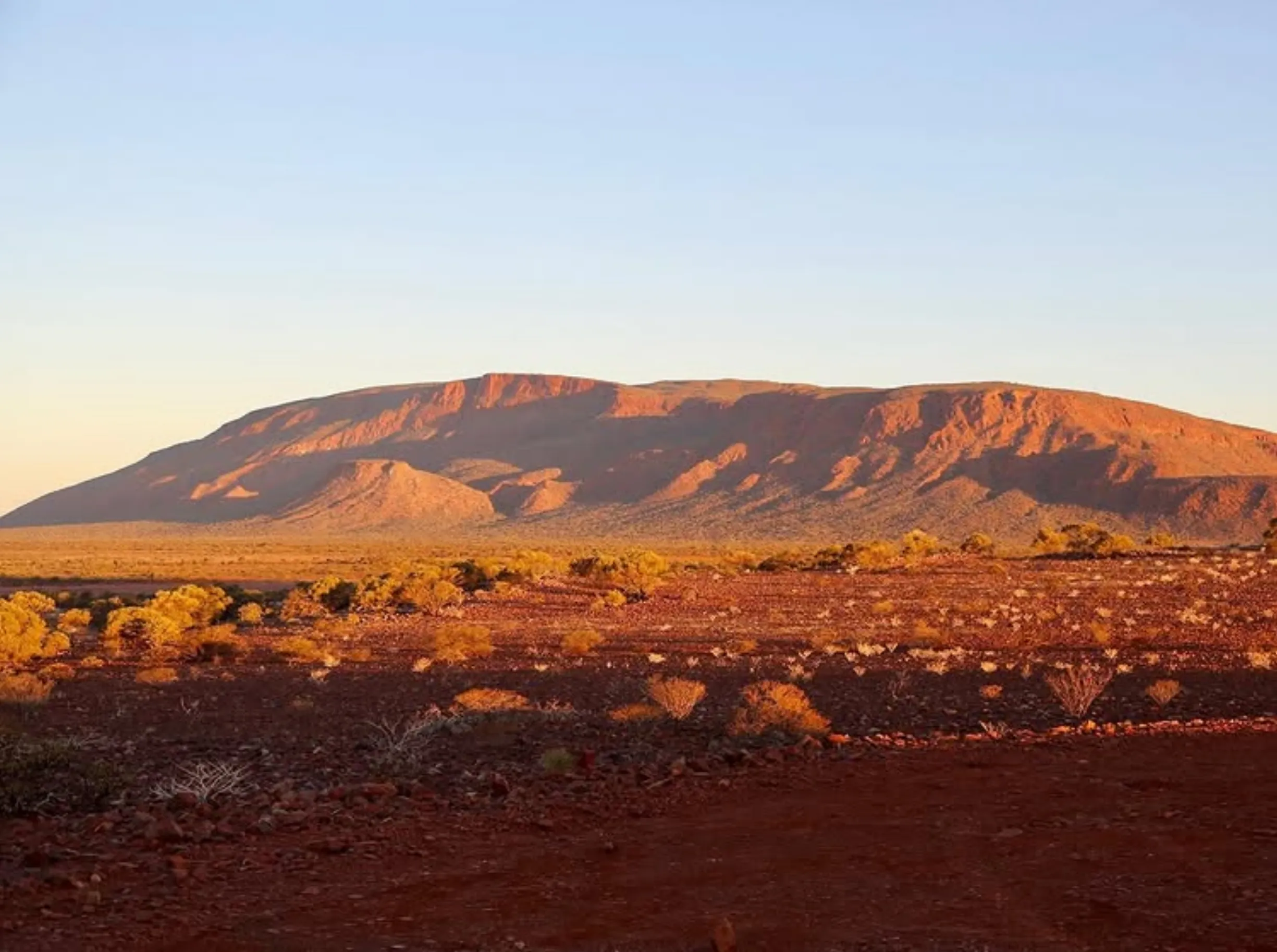
- Uluru: 348m high | 3.6km long | ancient sandstone monolith
- Mount Augustus: 715m high | 8km long | ancient monocline of granite rock
Both are significant, both are sacred, and both are worth the detour for any travel passion or Australian trip.
Underrated Natural Wonder
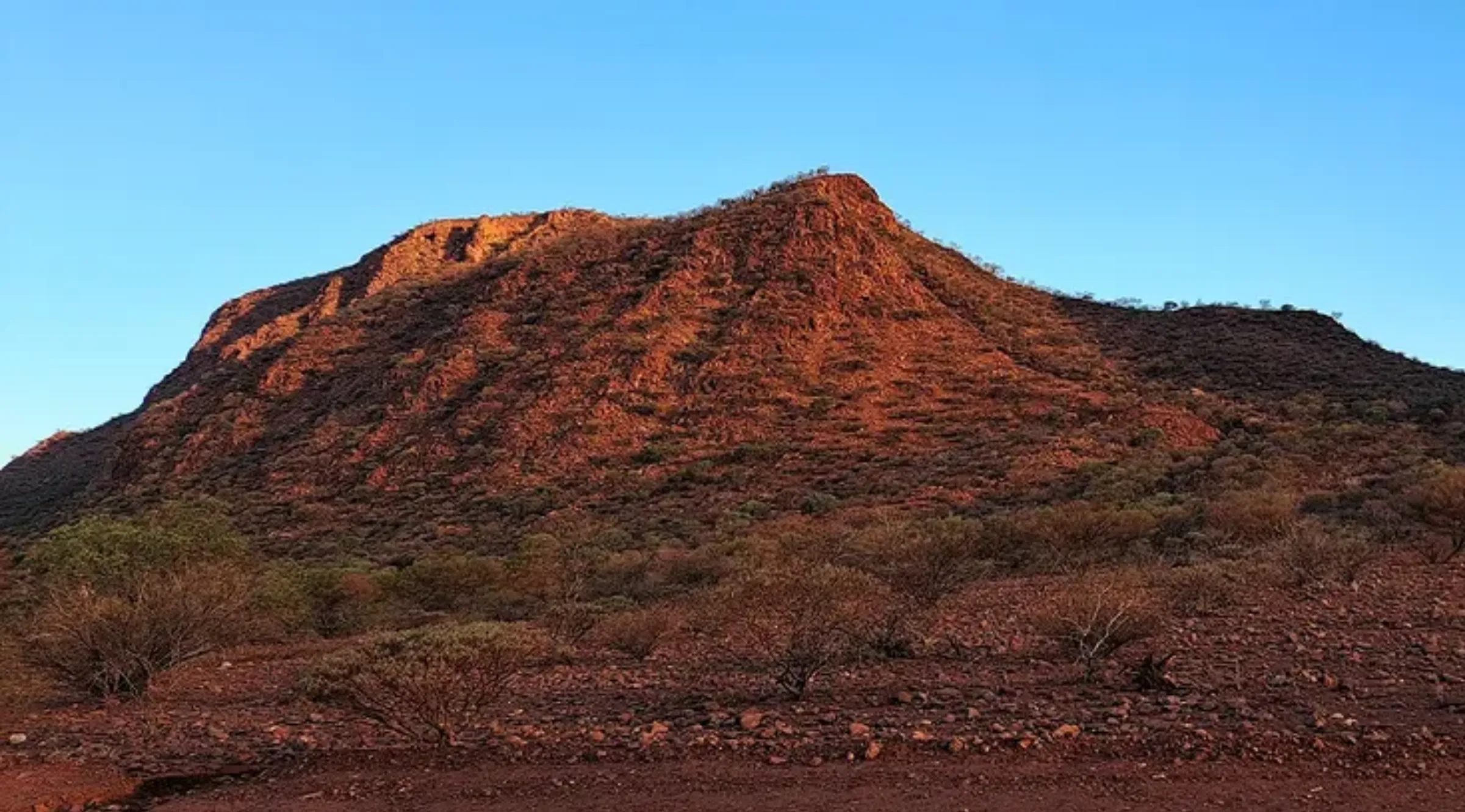
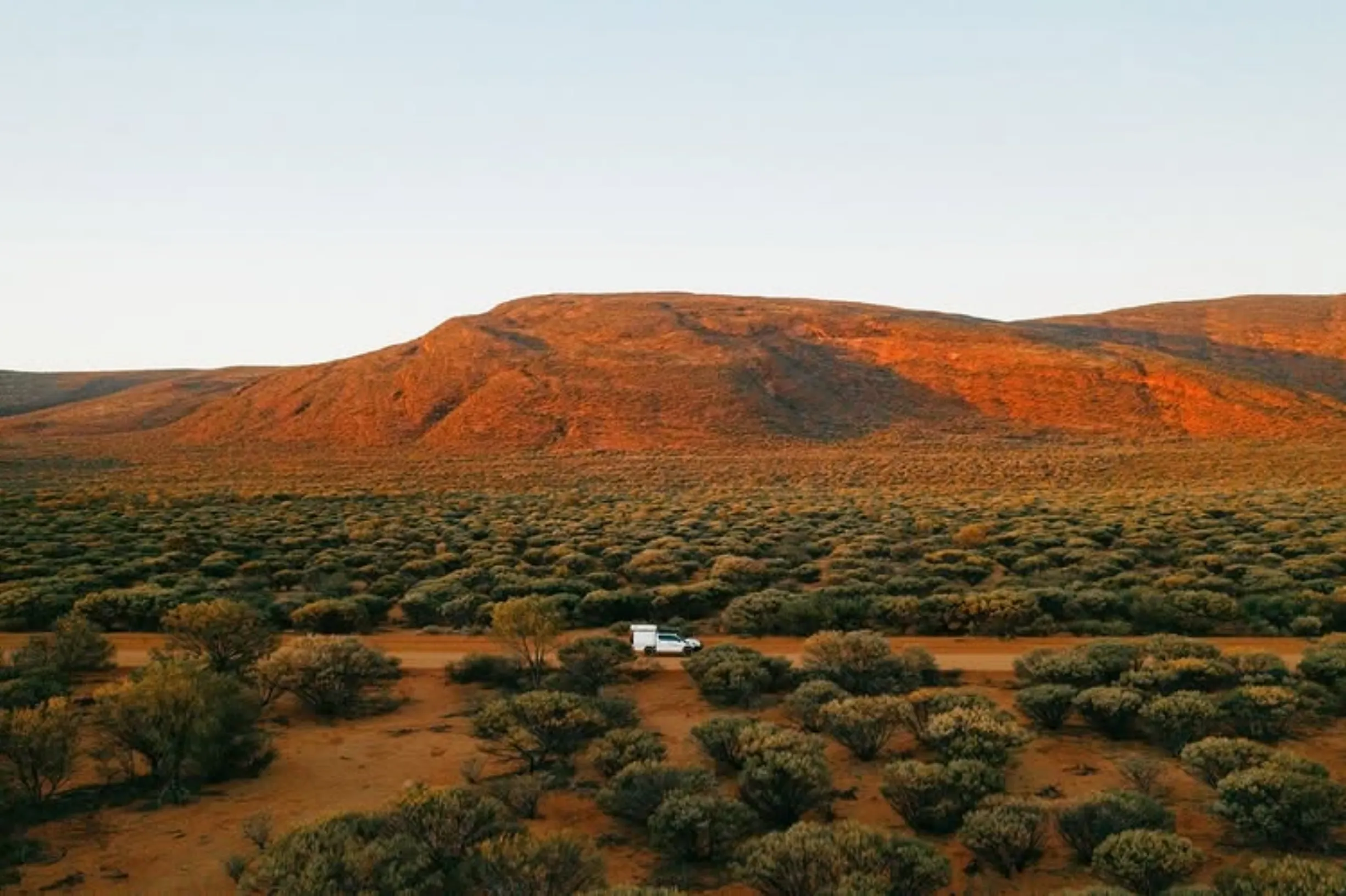
Mount Augustus sits in a remote part of WA, about 1,000 kilometres north-east of Perth. You won’t find sealed highways or boutique hotels out there. It’s red dirt country, with limited fuel stops, patchy phone reception, and the kind of silence that makes city folk twitchy. It’s the outback, proper — surrounded by distant ranges and dry creeks that flow only after heavy rain.
That makes it harder to market and visit compared to Uluru, which has a sealed day road loop, regular flights into Yulara, and all the bells and whistles of a developed national park. Uluru also benefits from decades of tourism promotion and popular belief, while Burringurrah has remained under the radar, partly by design. It’s not a place you just swing by — it takes planning, supplies, and respect.
Plenty of visitors start with a 2 day Uluru tour before expanding their outback adventures further afield. For those wanting to include Mount Augustus in a broader adventure, consider pairing it with a visit to Kennedy Range National Park or a few lazy days along the Gascoyne River. The nearby Mount James Station also offers outback stays and stunning night skies.
It’s Not Just About Size
Mount Augustus (Burringurrah) is sacred to the Wajarri people, just as Uluru is to the Anangu. The Dreaming story of Burringurrah tells of a young boy who broke traditional laws and fled his punishment, turning into the mountain we see today. This curved shape of the land reflects the form of people and ancestors immortalised in the stone.
When we visit these places, we’re walking into cultural landscapes shaped by creation stories and millennia of connection. You’ll see rock engravings carved into granite surfaces across the site, some up to 5,000 years old. And unlike the boardwalks and signage around Uluru, access at Mount Augustus is more open, which means more responsibility on us travellers to tread lightly.
Tip: Always check with local traditional custodians or visitor centres about access restrictions and culturally sensitive areas before you go. Don’t assume it’s a free-for-all just because it’s remote.
Best Time to Visit
The outback doesn’t muck around with seasons. Here’s how it breaks down:
Dry Season (May to September)
Best time to visit
- Clear days, cool nights
- Temps range from 10°C (night) to 28°C (day)
- Minimal mozzies, better walking conditions
Hot Season (October to April)
Avoid if you can
- Temps can soar to 45°C and higher
- Risk of flash flooding from summer storms
- Heatstroke hazard if you’re hiking
If you’re planning hikes to the summit or around the flanks, aim for early morning during the dry season. I made the rookie error of starting a walk at 10am once. Let’s just say I never underestimate a 30-degree day in WA again.
Top Things to Do
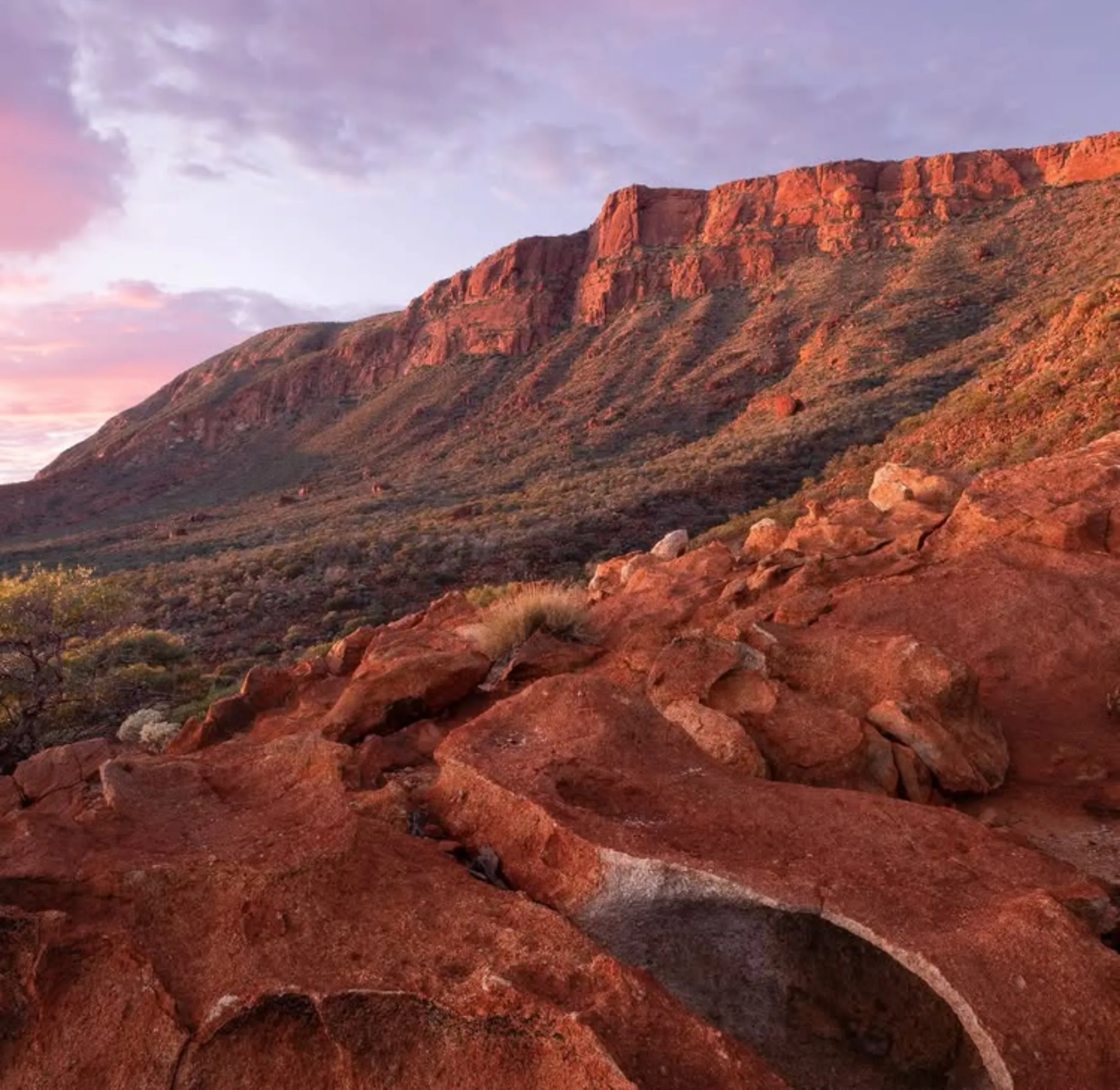
There are a bunch of self-guided walking trails around the mountain, ranging from 15-minute strolls to full-day summits. The longer treks are demanding — think rocky scrambles and steep gradients, not a Sunday park walk.
Popular Walks:
- Edney’s Lookout: Easy, 30-minute return walk with views over the plains
- Ooramboo Trail: Moderate 2km loop with wildflowers in season
- Summit Trail: 12km return, grade 5 hike, allow 6–8 hours. Only attempt in cool weather and early morning.
Don’t forget to explore:
- Rock engravings at Mundee and Beedoboondu
- Cattle Pool, a picturesque waterhole perfect for a breather (and a photo or two)
- Emu Hill Lookout for sunset views across the flat desert
Wayoutback Tours offers multi-day adventures into this region for those who want to go deeper without navigating it solo. They combine visits to Mount Augustus with other sites like Kennedy Range and the Gascoyne River basin.
Plan Your Visit
Access & Roads
Nearest town: Gascoyne Junction (305km)
Roads: Mostly gravel — can be rough after rain
Fuel: Available at the Mount Augustus Tourist Park, but double-check before you leave town
Vehicle: High-clearance 4wd strongly recommended
Essentials to Pack
- 20+ litres of water per person
- Satellite phone or UHF radio
- First-aid kit and snake bandage
- Full-size spare tyre & recovery gear
- Topo maps or Hema app with offline maps
- Plenty of food and a working fridge/eskie
Camping & Accommodation
- Mount Augustus Tourist Park: Has cabins, campsites, and fuel
- Bush camping: Only in designated areas — this is still a culturally sensitive site
Expect minimal facilities. This is not glamping country — think dusty camp kitchens, shared loos, and a sky full of stars.
Wayoutback Tours also provides guided 4WD packages including accommodation and cultural briefings, which can make logistics a bit easier and add depth to the experience.
What About Uluru? Why Visit Both?
Look, I love Uluru. There’s a reason it’s a rite of passage for so many. The stories, the colours, the energy of the place — it stays with you. Whether you’re joining a classic Uluru tour or one of the many Uluru day tours available from Yulara, the experience is always powerful.
Travellers coming from Alice Springs often opt for an Alice Springs Uluru tour before heading westward into WA’s lesser-known landscapes. Where Uluru is shared with busloads and infrastructure, Burringurrah offers raw exposure to the bush and yourself. It’s not better — it’s just a different kind of magic.
Travelling with Wayoutback Tours can even connect both sites as part of a grand loop across central Australia — ideal for anyone chasing the biggest mountain-like rock formations and the oldest stories in the country in the south.
Final Takeaway
So, is there a rock bigger than Uluru? Absolutely. Mount Augustus is nearly twice the size, and it’s waiting out there beyond the bitumen for those keen to look past the obvious.
Just remember: size isn’t everything. What matters is how you show up — with preparation, respect, and a sense of adventure.
If you’ve already ticked off one of the popular Uluru tours and you’re hungry for more red dirt revelations, Mount Augustus should be next on your radar.
Have you been out to Burringurrah or got it on your list? Let me know what you found out there. I’m always updating my maps and swapping travel stories with those who’ve done the hard yards.
Curious about remote outback trips or guided walks? I run small-group tours through WA’s lesser-known parks. Drop me a line if you want to know what’s in season — or check out what Wayoutback Tours has in store this season.